Rodent Removal in Baytown, TX
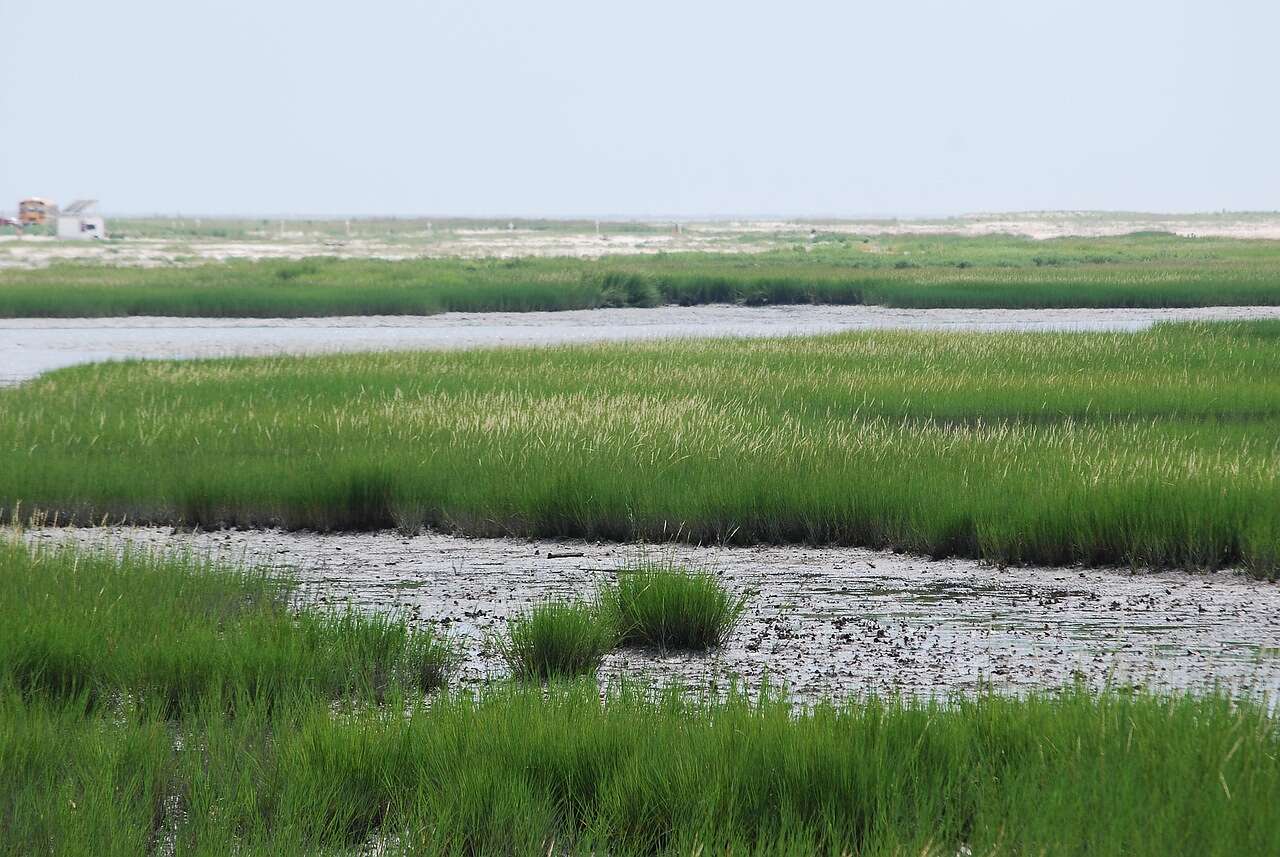
Baytown grew up around an oilfield and a refinery on the edge of Galveston Bay, and its low ground, bay shoreline and old housing give rats more ways in than most suburbs. The free inspection finds which one your house has.
- Free inspection, roof to foundation
- TDA-licensed contractors, every job
- Phone picked up 24 hours a day
Free Inspection in Baytown
The free inspection on a Baytown house covers the roofline and the ground line with equal care, because the city holds both raised refinery-era cottages and slab subdivisions. Whoever attends walks the shingle roof for split pipe boots and cracked vent bases, checks the soffit-to-brick joint, roof returns and garage corners, looks under any raised house at the skirting, vents and access door, then reads the attic for droppings, gnawing and runs in the insulation. The result is an itemized quote with trapping, sealing and any cleanup on separate lines. Baytown sits on the east side of the bay about 26 miles from downtown Houston along Interstate 10 or the Fred Hartman Bridge, mostly in Harris County with a piece in Chambers, and the whole city is inside the service area.
Someone answers (713) 804-8785 at any hour. Weeks of something walking the ceiling at night, or a nest found in the boat shed, is reason enough to call. Book a free inspection and we get the response moving.
Three oilfield townsites, one refinery and a ring of newer subdivisions
Baytown is an oil town before it is anything else. The Texas State Historical Association records that the Goose Creek field was found after John Gaillard noticed gas bubbling up through the creek in 1903, that the field's biggest well came in during 1917, and that Humble Oil finished its refinery beside the field in 1921 and named the plant and townsite Baytown. The separate towns of Goose Creek, Pelly and Baytown later consolidated into one city. The old blocks near the refinery, along Texas Avenue and through Pelly and Goose Creek, still hold small frame and brick cottages from the 1920s through the 1950s, many on piers with skirting and open crawl spaces, under trees planted when the streets were new. A house like that is open to Norway rats from below and roof rats from above.
North and west of the old townsites, off Garth Road, Interstate 10 and toward Mont Belvieu, the housing is slab-on-grade brick veneer with vented composition roofs and attached garages, built over the last three or four decades. On those houses the openings sit at the roofline: pipe boots cooked by the sun, turbine and mushroom vent bases cracked at the seam, the soffit-to-brick joint, roof returns and the weep gaps along the bottom course of brick. UF/IFAS sets the rat-proofing standard at a quarter inch, and a weep gap is wider than that. The rodent exclusion page explains crawl-space sealing for the old cottages and roofline sealing for the newer houses, and a Baytown quote should say which it is pricing.
Bay shoreline, sunken ground and recurring floods
Baytown fronts Galveston Bay, Tabbs Bay, Black Duck Bay and the mouth of Cedar Bayou, and much of the city sits only a few feet above them. The ground has also sunk. The Goose Creek field was the first place where subsidence was tied to pumping oil out from underneath, and the Harris-Galveston Subsidence District's own history notes that parts of the old field now lie under Tabbs Bay and that sinking ground damaged houses, roads and businesses across the area. Flat, low ground next to the bay floods, and the city and county describe flooding as a recurring problem here. Shoreline rip-rap, bulkheads, bayou banks, ditch lines and the grassy margins of tank farms are all rodent harborage, and UF/IFAS puts a roof rat's range at about 150 yards from its den.
When the bay or the bayou comes up, everything living in the banks moves into the nearest dry structure. After Hurricane Harvey in 2017, Houston-area pest firms reported to local news that rodents moved into attics across the region, and the Centers for Disease Control connects rises in leptospirosis to hurricanes and floods, lists rodents among the animals that carry it, and names rodent control as a step to take after flooding. Hurricane Beryl in July 2024 added the wind side: limbs down across the east side of the county, and a limb through a soffit is an open door. The post-storm rodent inspection covers a Baytown house that has been through either.
What We Handle in Baytown
Baytown work ranges from crawl-space sealing on the old refinery cottages to roofline sealing on the Garth Road subdivisions, with trapping alongside, shoreline trapping on bay-front lots, and cleanup where a nest has run for a season. These are the services a Baytown call turns into.
- Rat removal: roof rats in the attic and Norway rats under a raised cottage or along a bulkhead, trapped on the runs and sealed out
- Mouse removal: house mice in garages, sheds and kitchens, heaviest in the cool months
- Rodent exclusion: hardware cloth and sheet metal at skirting, vents, boots, roof returns, the soffit line and weep gaps
- Rodent inspection: the free walk of roof, attic, crawl space and shoreline that produces the quote
- Attic cleanup: soiled insulation removed and the attic sanitized after months of nesting
- Commercial rodent control: restaurants, shops and warehouses along Garth Road, Texas Avenue and the industrial corridor
- Dead rodent removal: finding and removing a carcass in a wall or under a floor after bait was used
A Typical Baytown Job
The situation: A single mother in a 1940s frame cottage in old Goose Creek, a few blocks from the refinery fence, has heard heavy footsteps over her son's room every night for two weeks and found a chewed corner on the bread bag twice. Her brother says every old house in Baytown has a rat and to stop worrying. She has been sleeping in the boy's room.
What gets done: Whoever attends finds the crawl-space access door missing entirely, a foundation vent with its screen rusted through, and above that an open soffit along the back eave under a hackberry whose limbs rest on the roof. The access door is rebuilt, the vent is screened in galvanized hardware cloth, the soffit run is closed with metal, the limbs are cut back, and snap traps go on the runs in the crawl space and the attic, staying at least a week because roof rats hang back from new objects at first.
How it turns out: Two rats from the crawl space and one from the attic in the first week, then silence. The return visit finds the closures untouched and no fresh droppings, and she has a one-page list of the three openings and the limb, with the material used at each. Her brother was half right, and the rat is gone.
What This Costs in Baytown
Angi's Houston-area cost figures reach Baytown and place a typical rat job near $831, with most homeowners paying $381 to $1,370, and the table sets them beside HomeGuide's 2026 national bands; the free inspection turns those bands into an itemized quote for your house.
| Line item | Houston (Angi) | National (HomeGuide 2026) |
|---|---|---|
| Inspection | Free here; $100 to $200 where it is charged | $0 to $175 |
| Trapping and removal | Near $831 typical; most jobs $381 to $1,370 | $250 to $1,200 |
| Follow-up visits | $50 to $150 each visit | Inside the job band |
| Exclusion sealing | $430 to $1,300 | $500 to $2,500 for a whole house |
| Attic cleanup and decontamination | Priced after the inspection | $600 to $2,500 |
| Insulation removal and replacement | Priced after the inspection | $2.50 to $5.50 per square foot |
| Dead rodent removal | Priced after the inspection | $150 to $500 |
In Baytown the house type sets the price. A raised cottage in Pelly or Goose Creek with open skirting, a missing access door and an unfinished soffit needs the whole perimeter closed low and the eaves closed high, and sits near the top of the exclusion band. A slab house off Garth Road with two failed vent seals is a short visit near the bottom. A bay-front lot adds shoreline trapping as its own line. Ask for each line separately and ask whether the return visit is inside the number.
Rat holes around a building
What a burrow looks like, and where it leads.
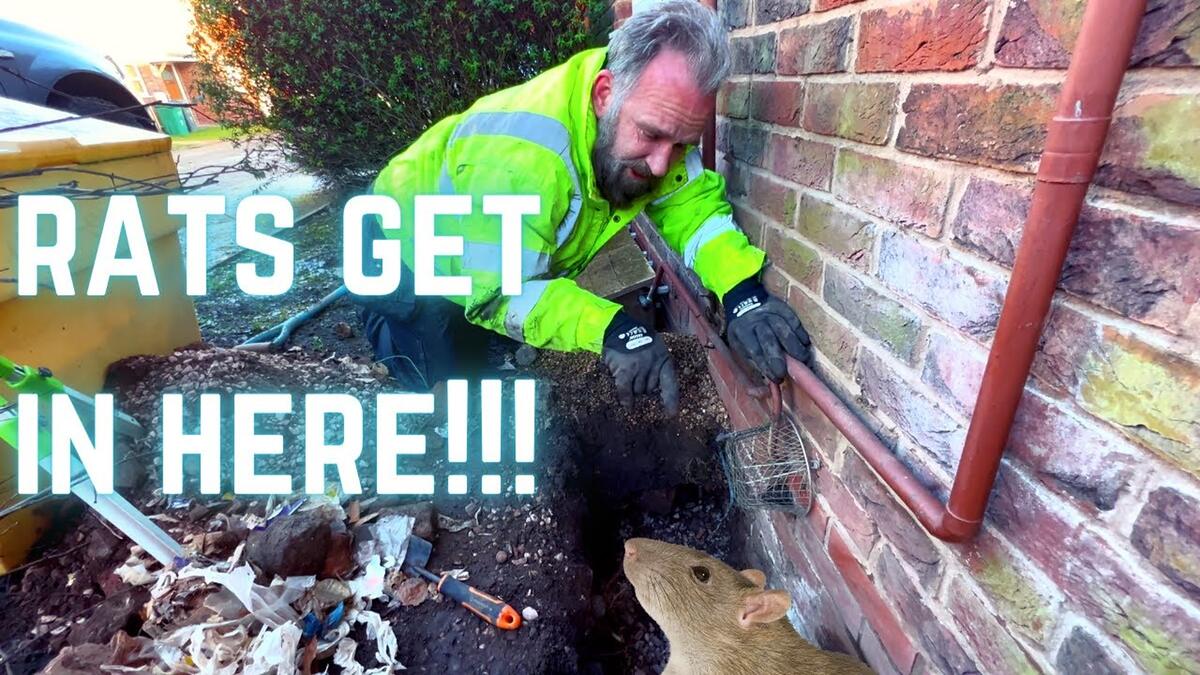
Video: RAT holes around your house? How to stop rats burrowing, from Pest Interceptors.
Common Questions in Baytown
What callers from Baytown ask before booking.
Getting rid of them
Is it true that every old house in Baytown has rats?
Every old house in Baytown has openings, which is a different thing. A 1940s cottage on piers has a crawl space, a skirting line, foundation vents and a soffit that was built before anyone thought about a quarter-inch gap, and those are doors until somebody closes them. Plenty of old Baytown houses have been sealed and stay quiet. The rat is a symptom of the open house, and the fix is the same set of closures whether the house is in Pelly, Goose Creek or a subdivision built last year. The free inspection counts the openings so you can see them yourself.
How long does it take to clear rats out of a Baytown house?
Most Baytown jobs run from one to three weeks. The sealing is done on the first visit, traps go in the same day and stay at least a week, and a return visit confirms nothing fresh. HomeGuide's guide puts trapping a small number of animals at two to three days and a heavy infestation at one to two months, and here the difference is usually whether the house has an open crawl space that has hosted rats for years or a slab roofline that opened last season. The return visit that finds no new droppings is what closes it.
Baytown houses and contractors
My lot backs onto the bay. Does that change the job?
It adds a shoreline line to the quote and changes nothing about the house end. Bulkheads, rip-rap, docks and boat sheds are Norway rat harborage a few steps from the slab, and the shoreline trees carry roof rats to the eave, so whoever attends walks the water's edge as well as the roof. Trapping along the bulkhead and clearing nesting material from a shed become their own lines, and bait is a poor choice that close to the bay. The roofline and foundation still get sealed the same way as any other Baytown house.
Who can legally do rodent work in Baytown, and how do I confirm it?
Baytown lies mostly in Harris County with a piece in Chambers, and Texas licensing is the same in both: controlling rats or mice for pay requires a business license from the Texas Department of Agriculture's Structural Pest Control Service and a certified applicator, and the pest control category names rats and mice. The license shows on the truck as a TPCL number. Since 2009 a trap-only job with no bait has been exempt, and the moment rodenticide goes down the license applies. Every contractor we route holds the TDA license the job needs. Ask for the TPCL number and confirm it with the Department before signing, which is what TDA's homeowner flyer on rodents advises.
Still have a question? Call (713) 804-8785 and ask.
Nearby Areas We Serve
The same contractors cover the towns around Baytown, and the service area takes in Harris and Chambers counties along with the rest of the Houston metro.