Rodent Removal in Houston Heights
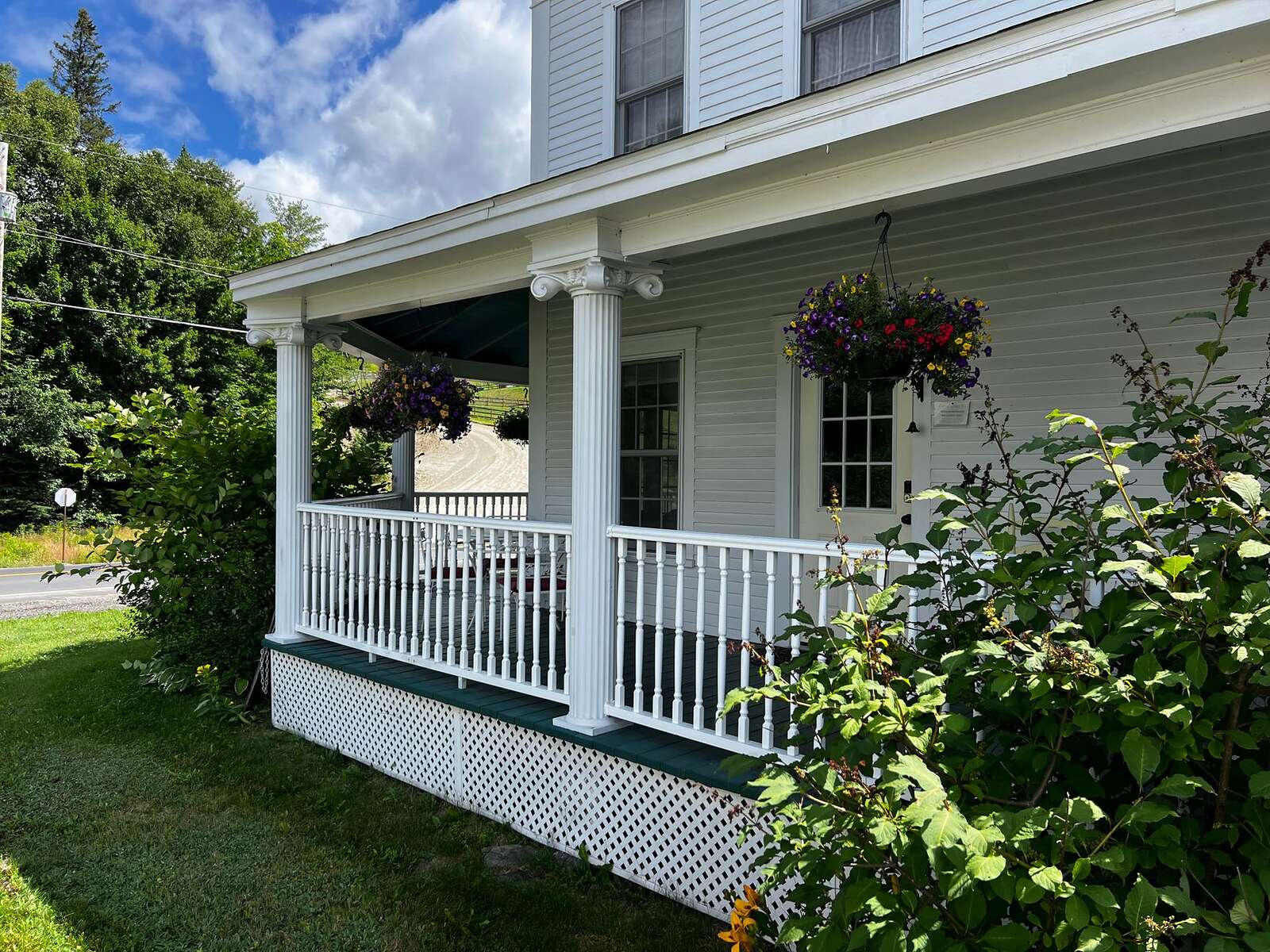
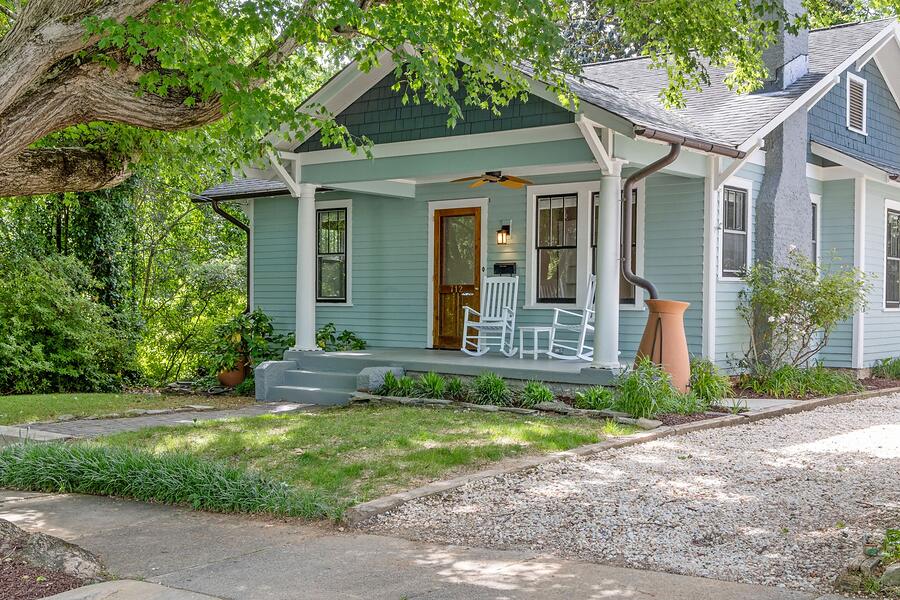
Heights bungalows sit on piers under a mature oak canopy beside White Oak Bayou, which means rats have a way in from below and from above. Licensed contractors handle every job we route, and the inspection is free.
- Crawl-space and roofline sealing
- TDA-licensed contractors on every job
- Answered 24 hours a day
Why Heights bungalows get rats from two directions
A Houston Heights house is open at the bottom and open at the top, and that is the whole rodent problem in one sentence. The Heights was platted in 1891 as one of the first planned communities in Texas, and the City of Houston's historic district guidelines describe the typical house as pier-and-beam with the first floor four or five steps above grade, the piers clad in brick, and the foundation skirted with wood lattice or lap siding. Lattice keeps out dogs. It does nothing against a Norway rat, which lives at ground level and treats a Heights crawl space as a dry burrow with a wood ceiling.
Above the porch, the same house has wood soffits, gable ends and roof returns that were framed a century ago and have been re-sided, re-roofed and re-wired several times since. Each round of work leaves a transition that was never fully closed. The roof rat, the attic species across Houston, reaches those transitions from the canopy. The Heights is known for its tree-lined esplanades, and the live oaks on the boulevards and in the yards put limbs within a few feet of rooflines on most blocks. Anyone who has lain awake at 2 a.m. listening to something run the length of a ceiling joist knows the house stops feeling like theirs. The fix is the same both times: find the openings, seal them with metal, and trap what is already inside.
The Heights sits inside the 610 Loop, inside the City of Houston and inside Harris County, so the contractor we route works under the Texas Department of Agriculture license that covers rat and mouse control in the city.
Where rats get into a pier-and-beam house in the Heights
The entry points on a Heights bungalow split cleanly into a low list and a high list, and a proper inspection walks both. Everything on either list gets measured against the UF/IFAS figure: a rat passes through a half-inch opening, a mouse through a quarter inch, and a quarter inch is the standard the sealing is built to.
Below the floor
The crawl space is the Norway rat's route, and the skirting is where it fails. Lattice panels, rotted lap siding at grade, the gap where a porch skirt meets the main skirt, and the openings cut for plumbing and gas lines all admit a rat. Once under the house, the animal follows the piers to a plumbing chase or a floor register and comes up into the wall cavities. Sealing here means quarter-inch galvanized hardware cloth fastened behind the lattice along the full perimeter, metal collars at pipe penetrations, and a screened, latched access door in place of a loose panel.
At the roofline
Roof rats arrive along oak limbs and the power drop, then test the roofline for the weakest point. On the older composition-shingle roofs common in the Heights that means cracked rubber pipe boots, which Houston sun degrades within a few years, gable vent screens that have rusted through, the open end of a roof return where two roof planes meet, and the fascia gap behind a gutter. Hardware cloth over the vents, sheet metal at the returns and fascia, and new boots at the plumbing stacks close them. Pruning limbs back off the roof removes the highway. The rodent exclusion page covers the crawl-space and roofline methods in detail.
White Oak Bayou, floods and the fall rush
White Oak Bayou forms the western edge of the Greater Heights and gives the neighborhood a permanent rodent supply line. The bayou corridors across Houston work as travel lanes for rats, and a bayou-side block on the west side of the Heights sits closer to that traffic than a block near Heights Boulevard. Norway rats burrow along the banks and along the drainage that feeds them.
Flooding moves that population. During Hurricane Harvey in 2017 White Oak Bayou crested at a record 45.6 feet and homes near the bayou in the Woodland Heights and Timbergrove areas took water. In July 2024 Hurricane Beryl pushed the bayou past 39 feet at I-10 and Heights Boulevard, with paths feet under water. The Heights proper was founded on ground about 23 feet higher than downtown, so most streets stay dry, and a dry attic on high ground is exactly where a displaced rat goes. The CDC ties increases in leptospirosis to hurricanes and floods, lists rodents among the animals that carry it, and recommends rodent control as part of post-flood prevention. A post-storm rodent inspection after any bayou rise is the sensible follow-up on a Heights block.
Storm or no storm, the calls from the Heights climb in October through December, when the first cool nights send rats from the yard into the attic to nest. Houston rodents breed all twelve months with no winter die-off, so a family that moves into a Heights attic in November is producing litters by February. A roof rat is sexually mature at three to four months, carries a litter for around three weeks, and can raise four or five litters a year of five to eight pups, per UF/IFAS. The math argues for calling on the first night of scratching instead of the tenth.
What a rodent job in the Heights looks like
A Heights job runs in a fixed order: inspect both levels, seal with metal, trap inside, verify, and then deal with any contaminated insulation. The free inspection takes in the crawl space with a flashlight and the attic with a headlamp, and the quote that follows separates each piece so it can be compared with another bid.
- Inspection of the skirting perimeter, pipe penetrations, roofline, vents and attic, with droppings identified by species. Roof rat droppings run a quarter to half an inch with pointed ends, per UF/IFAS.
- Sealing from the ground up with hardware cloth, sheet metal and metal collars. Foam is a backing behind metal at most.
- Snap traps set on the runs the same day and left for at least a week, since roof rats avoid anything new. Trapping keeps a poisoned animal from dying inside a wall of a house with no easy wall access.
- A return visit to confirm no fresh sign, then attic cleanup if the insulation is fouled.
The rat removal page lays out the trapping side, and the attic cleanup page covers what happens when a century-old attic has held rats for a season. Older Heights attics often carry cellulose, which soaks up Gulf humidity and rodent urine together and usually has to come out. Ask the contractor for the TPCL number and confirm it with the Texas Department of Agriculture before signing, which is the advice TDA's own rodent flyer gives homeowners. Questions before booking go through the contact page.
A representative Heights crawl-space sealing
A representative exclusion result on a pier-and-beam Heights bungalow shows quarter-inch galvanized hardware cloth run behind the lattice skirt from grade to sill, with a metal collar closed around the water line and a screened access panel on a latch. The wood lattice stays in place for the street view. The metal behind it is what keeps the crawl space closed.
Rodents in the attic
What is happening above the ceiling, explained.
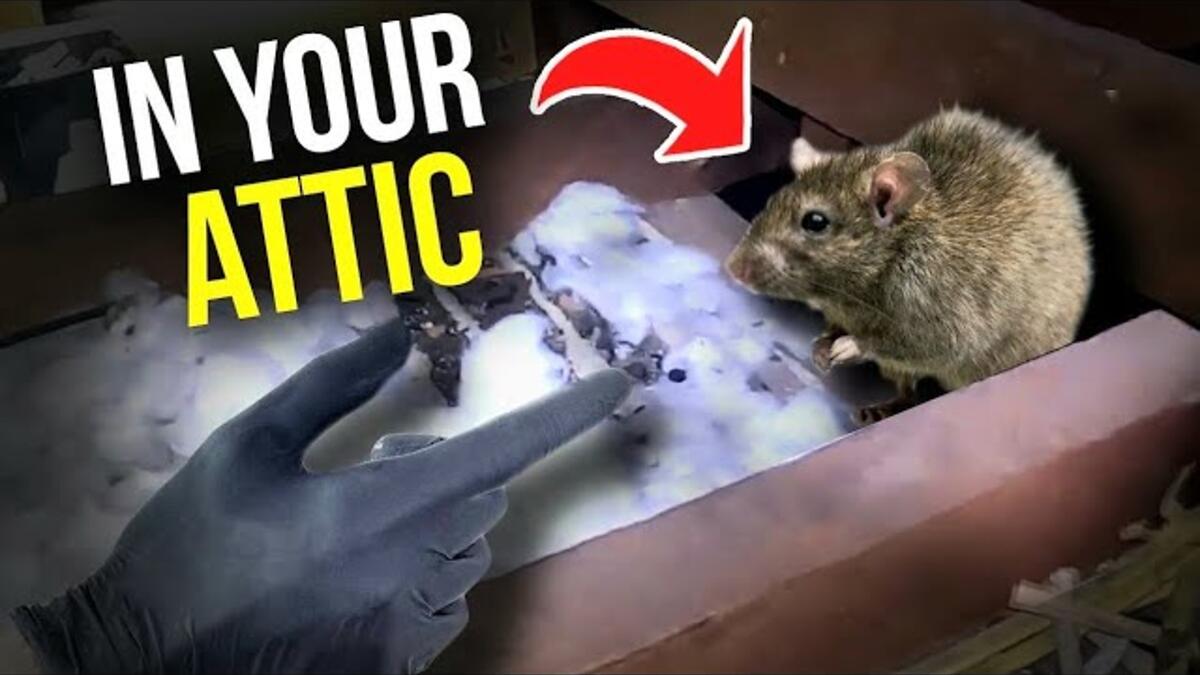
Video: Rodents in your ATTIC!? Here's what you do, from Twin Home Experts.

Why Heights homeowners route rodent work through us
Three things a Heights caller can check for themselves before anyone climbs a ladder.
-
Sealing built for piers and porches
Whoever attends a Heights job seals the crawl-space perimeter and the roofline as two separate scopes, each listed on the quote with the material used. The standard is the UF/IFAS rat-proofing figure of a quarter inch, so the skirting, the pipe penetrations, the gable vents and the roof returns all get closed to that size with galvanized mesh or sheet metal. A homeowner gets a written list of every closure at the end, which is what a future buyer or a second contractor can check.
UF/IFAS: quarter inch is the rat-proofing standard
-
TDA license on every routed job
The Texas Department of Agriculture licenses any business that controls rats and mice for hire, and every contractor we route holds the TDA license the job needs, with a TPCL number displayed on the vehicle. Live-trap-only work has been exempt since 2009, but any job that places bait needs the license. Ask for the TPCL number and confirm it with the Texas Department of Agriculture before work starts. That is the same advice TDA prints on its consumer flyer about rodent control.
Texas Department of Agriculture, Structural Pest Control Service license (TPCL number)
-
Houston prices, in separate lines
Rat exterminator jobs in Houston average about $831, with most homeowners paying between $381 and $1,370, according to Angi's Houston data. Exclusion work runs $430 to $1,300 in the same data. Those are typical-job bands and the free inspection turns them into a number for a specific house, with trapping, sealing, follow-up visits and any cleanup itemized. A Heights house with both a crawl space and a roofline to close tends toward the upper half of the exclusion band.
Angi Houston: rat exterminator jobs $381 to $1,370, average about $831
A typical rodent call from a Heights bungalow
The situation: A couple in a 1920s Craftsman a few blocks off Heights Boulevard has heard running above the bedroom every night since the first cold front in late October. A live oak in the front yard reaches over the porch roof. They also found a chewed bag of birdseed in the cabinet under the kitchen sink, which made no sense to them until someone pointed out that the sink cabinet backs onto the plumbing chase from the crawl space. They have started sleeping in the front room to get away from the ceiling.
What gets done: The inspection finds two problems in one house. Under the floor, the lattice skirt has a gap at the porch corner and the water line enters through a hole big enough for a fist; droppings under the kitchen are the blunt Norway rat type. In the attic, droppings along the joists are the pointed roof rat type, and a gable vent screen on the oak side has rusted out. The contractor we route fastens hardware cloth behind the full skirt, collars the water line, screens the gable vent from inside and closes a roof return with sheet metal, then sets snap traps in the crawl space and along the attic run the same afternoon. The oak limb gets a pruning recommendation.
How it turns out: The traps take three animals in the first five nights and then stay empty. A return visit finds no fresh droppings above or below. The attic insulation is fiberglass and lightly soiled in one bay, so it is spot cleaned instead of replaced. The couple moves back into the bedroom with a written closure list, and a reminder to walk the roofline after the next bayou rise.
Rodent questions from Houston Heights
The questions Heights homeowners ask most, answered for a pier-and-beam house under oaks.
The house
Does a pier-and-beam house need different rodent work than a slab house?
Yes. A slab house in Spring Branch or Katy has no space under the floor, so all the sealing happens at the roofline and the brick veneer. A Heights bungalow adds a second scope under the house: the skirting perimeter, the pipe and gas penetrations, and the access door. Norway rats use that level and roof rats use the roof, and it is common to find both species in one Heights house. Ask any contractor quoting a Heights job whether the crawl space is on the quote as its own line, with the material named.
Will pruning the oaks solve it on its own?
Pruning helps and closes nothing. UF/IFAS describes the roof rat as an animal that travels along branches, wires and trunks, so limbs off the roof remove the easiest route. The power drop and the fence line remain, and a rat can travel roughly 150 yards from its den on the ground and climb the siding. Prune the trees and seal the roofline. One without the other is how Heights houses end up on their third rat season.
The job
How long does it take to get rid of rats in an older house?
Sealing is usually done in one visit, and trapping runs a week or two after that. HomeGuide puts trapping a small number of animals at two to three days and a severe, long-running infestation at one to two months. What stretches a Heights job is a crawl space that has been open for years and an attic that has held rats through several seasons, because there are more animals to trap and more insulation to deal with. Sealing on the first visit keeps a job at the short end of that range.
Is poison a faster option for a crawl space?
Poison is slower than it looks and carries a cost trapping does not. The EPA notes that most rodenticides are anticoagulants and that death typically comes four days to two weeks after feeding begins, and in a pier-and-beam house the animal often dies in a wall cavity or under a floor with no easy access. UF/IFAS makes the point that trapping avoids a poisoned rat dying inside the building. Anyone placing bait for hire in Texas also needs a TDA license, so ask to see it if bait is proposed.
Still have a question? Call (713) 804-8785 and ask.