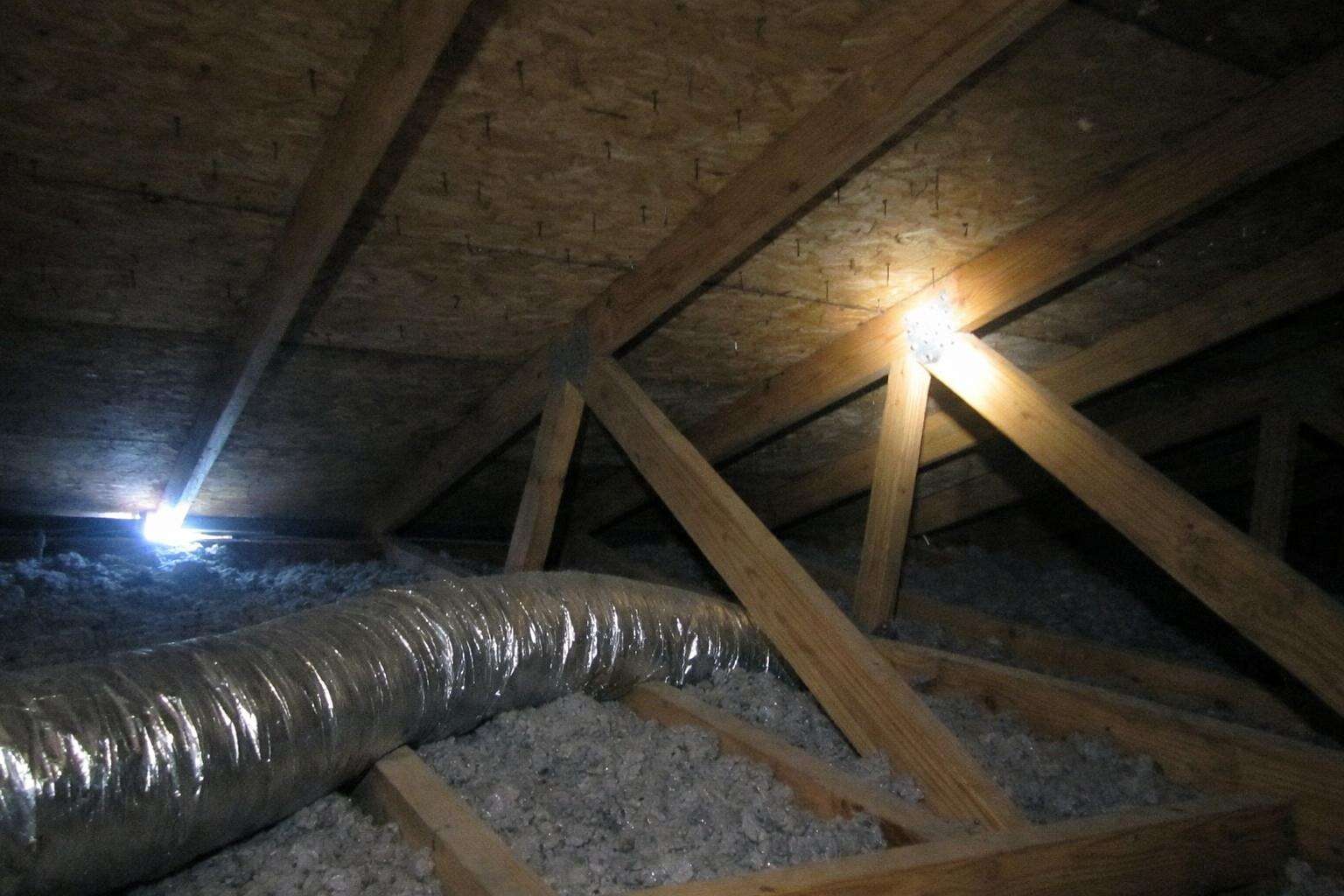
Free Rodent Inspection in Houston, TX
A rodent inspection in Houston walks the roofline, the attic, the crawl space where the house has one, the rooms below and the yard, and ends in a written report. The inspection is free, and every job we route goes to a licensed contractor.
- Inspection at no charge
- Roofline to crawl space
- Written report with entry points
What a free rodent inspection in Houston includes
A rodent inspection in Houston is a physical search of the whole building shell, outside and inside, that ends in a written report listing the species, every gap of a quarter inch and up, the extent of any attic contamination and an itemized price for each part of the fix. The inspection is free. Nothing is sold during it, and the report is yours whether or not any work is booked.
Whoever attends works from the top down. The roofline comes first because the roof rat is the Houston attic species and arrives from above. The attic comes next, then the crawl space on a pier-and-beam house, then the rooms where noise or droppings have been noticed, then the yard and the trees that touch the roof.
- Roofline from a ladder: pipe boots, mushroom and turbine vents, ridge and gable vents, roof returns, fascia gaps and the soffit-to-brick joint
- Attic: dropping runs, rub marks on rafters, chewed wiring and duct, nesting in the insulation, urine staining under a flashlight
- Crawl space, where one exists: burrows at the piers, gaps at the skirting, open foundation vents, plumbing chases into the floor
- Interior: kitchen kick plates, the water heater closet, the garage corners, the gap behind the dishwasher and range
- Yard: live oak and fruit tree limbs on the roof, vines on the brick, fence lines and utility drops that reach the eave, burrows along slab edges and fence footings
- A written report with the species, each opening and its location, the contamination level, and separate prices for trapping, sealing, cleanup and any follow-up visits
The report is what turns a vague fear into a list. Most people who book have been lying awake listening to the ceiling for a while and have been told by someone that they are overreacting. A list of six openings with photographs is the end of that argument.
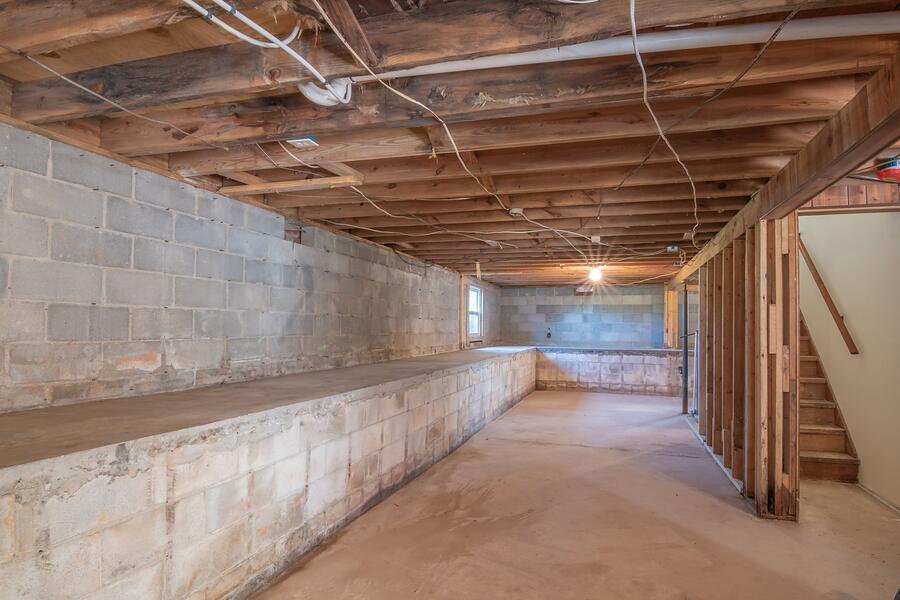
Signs that mean it is time for an inspection
Scratching or running overhead after dark, droppings along a wall or in a cabinet, a musky odor in a closed room and gnawed packaging in the pantry are the four signs that bring most Houston homeowners to the phone, and any one of them on its own is enough to book. Rodents breed all year here because the winters are mild, so a sound heard in July is as real as one heard in November.
Sounds
Roof rats move at night along the top plates and across the attic floor, so the sound is a scamper or a scratch above a bedroom ceiling, often at the same hour each night. Norway rats and mice are heard lower down: inside a wall cavity, under a pier-and-beam floor, behind the kitchen. A single heavy thud is more often a raccoon or an opossum, which changes the licensing on the job.
Droppings and marks
UF/IFAS describes roof rat droppings as a quarter to half an inch long, banana shaped and pointed at both ends. Look for them on the attic insulation, along the garage wall, on top of the water heater and in the drawer under the oven. Greasy rub marks appear where an animal squeezes the same gap repeatedly, and they are the easiest way to find a live entry point from inside.
Damage
Chewed wire insulation, tunnels through blown insulation, gnawed AC duct and a chewed pipe boot on the roof are all findings that go in the report. UF/IFAS notes that rats chew wires and can potentially start fires, which is why chewed wiring is flagged for an electrician on the same report.
What the report decides: trapping, sealing, bait or cleanup
The inspection report sets the sequence for the whole job, and on almost every Houston house that sequence is sealing first, trapping alongside, cleanup after, with rodenticide bait held back as a last resort. The report lays the options side by side so the homeowner can see why.
| Option | What the inspection has to find first | Where it fits |
|---|---|---|
| Exclusion (sealing) | Each gap of a quarter inch and up, with a photograph and a material | The spine of the job. Sealing ends the traffic; everything else manages what is already inside |
| Snap trapping | The dropping trails and rub marks that map where an animal travels | Set on the same day the sealing is done and left in place for a week or more, since UF/IFAS notes roof rats avoid unfamiliar objects |
| Rodenticide bait | Whether a poisoned animal could die inside a wall or the attic | Rarely on a house. EPA data puts death from most anticoagulant baits at four days to two weeks after feeding begins, and UF/IFAS says trapping avoids the risk of a poisoned rat dying inside. Placing bait for hire needs the TDA license |
| Attic cleanup | How much of the insulation is soiled, wet or tunneled | Scheduled after the attic goes quiet. Cellulose in Gulf humidity usually means remove and replace, covered on the attic cleanup page |
| Steel mesh vs foam | Whether each opening is a vent that must breathe or a hole that can be filled | Quarter-inch galvanized hardware cloth, sheet metal and mortar are the closures that last. Foam on its own is chewed through and conceals the hole from whoever inspects next |
A report that lists openings with no material beside them is a report that leaves the foam question open. Ask for the material on each line.
What is the cheapest way to get rid of rats?
The cheapest way to get rid of rats is to find every opening once, close it with metal, and trap what is inside during the same week, because every other route pays twice. Trapping without sealing is a subscription. Bait without sealing is a subscription with a dead animal in the wall. A free inspection is the cheapest step in the whole sequence, and it is the one that stops the money going in the wrong order.
Elsewhere in Houston the inspection alone runs $100 to $200 in Angi's local data, and homeowner threads describe an inspection fee as the reason people put off getting a bid at all. Here it costs nothing, and the report it produces can be handed to any contractor for a competing quote. The rat removal page sets out what the trapping half of the job costs once the openings are known.
Two things a homeowner can do for free before the inspection: pick up fallen fruit under any citrus or fig tree, and note the time of night the sound starts. Both go in the report.
If the inspection finds chew-ins, do they need repairing right away or can trapping come first?
The chew-ins need repairing now, because an open hole refills from outside faster than traps can empty the attic, and the inspection exists to find every one of them so the repair happens once. A roof rat can travel about 150 yards from its den, according to UF/IFAS, which on a Houston block means the next colony is a few houses away and already knows the route.
The math is in the breeding. UF/IFAS gives roof rats sexual maturity at three to four months, a gestation of three weeks or so, litters of five to eight and four or five litters a year. Trapping alone against that rate is the multi-month timeline that homeowner threads complain about. HomeGuide's figures run from two or three days for a handful of animals to one or two months for a severe infestation, and closing the roofline on day one keeps a job at the short end.
Where a chew-in is a roof vent or a pipe boot, the repair is a metal closure that keeps the vent breathing. Where it is a soffit-to-brick joint or a brick weep gap, the closure is hardware cloth that still lets the wall drain. The rodent exclusion page covers each closure and the material that belongs at it.
What the inspection costs and what the report will price
The inspection is free, and the report prices the rest of the job in the bands below, which are typical-job ranges confirmed on the day. Houston figures come from Angi's local data and national figures from HomeGuide's 2026 survey.
| Line item | Houston (Angi) | National (HomeGuide 2026) |
|---|---|---|
| Standalone inspection | $100 to $200 elsewhere; free here | $0 to $175 |
| Rat removal, whole job | Average about $831; most pay $381 to $1,370 | Trapping and removal $250 to $1,200 |
| Exclusion sealing | $430 to $1,300 | $500 to $2,500 |
| Follow-up visits | $50 to $150 each | Included in some quotes; ask |
| Attic cleanup and decontamination | Priced at the inspection | $600 to $2,500 |
| Dead rodent removal | Priced at the inspection | $150 to $500 |
What moves the numbers is what the inspection finds. A one-story slab house in Katy with three roofline openings and a clean attic lands near the bottom of every band. A two-story pier-and-beam bungalow in the Heights with a crawl space, six roofline gaps under a live oak and tunneled cellulose lands near the top and adds a cleanup line. The report separates each so the bands can be compared with another bid line by line.
What a Houston inspection looks for that a generic checklist misses
A Houston inspection is shaped by three local facts: the roof rat comes in from the canopy, the house is either pier-and-beam or slab, and the heat wrecks the roof plastics. A checklist written for a northern basement house misses all three.
Two kinds of house, two kinds of search
Inside the loop, in the Heights, Montrose, Woodland Heights, Garden Oaks, Oak Forest and Eastwood, the Craftsman bungalows and cottages sit on piers with open crawl spaces and soffit transitions that were never closed. The inspection there has two fronts: Norway rats coming in low at the skirting and the foundation vents, roof rats coming in high from the oaks. Outside the loop, in Spring Branch, Memorial, Katy, Sugar Land, Pearland and Cypress, the slab house has no underside to search and the whole inspection moves to the roofline, the brick-veneer weep gaps, the soffit-to-brick joint, the garage corners and the utility penetrations. The Houston Heights and Spring Branch pages show the two searches on their own streets.
Roof plastics that fail in the sun
Composition shingle over a vented attic is the Houston standard, and the vents are where the inspection spends its ladder time. Rubber pipe boots split and plastic vent bases crack after a few summers of UV, and mushroom vents develop cracked seals. Each is a roof rat door until a metal closure goes on.
Bayous, floods and season
The bayou corridors run rodents across the city, so a house backing onto Brays, White Oak or Buffalo Bayou gets its yard searched for burrows as carefully as its roof. After a flood, animals pushed out of storm drains and low ground end up in garages and attics; Houston pest firms reported to local news that rodents moved into attics after Harvey, and the CDC lists rodent control among its post-flood precautions because it links leptospirosis case rises to hurricanes and flooding. Demand peaks in October to December when night temperatures drop and rats commit to indoor nesting, but the year-round breeding means an inspection in any month finds something current. A post-storm rodent inspection is the same walk with the wind damage added.
What to check about whoever inspects
The person who inspects should be able to show a TDA business license number, hand over a written report with openings and materials, price each part of the job on its own line, and say in writing how many return visits come with the price. Check all four before signing anything.
- Ask for the TPCL number and confirm it with the Texas Department of Agriculture before work starts. The Structural Pest Control Service licenses any business that controls pests for hire, and its pest control category covers rats and mice. TDA's own consumer flyer tells homeowners to check the license status before signing a contract. Every contractor we route holds the TDA license the job needs.
- Ask whether the plan uses bait. Live-trapping only has been exempt from TDA licensing since June 2009, but anyone placing rodenticide needs the license.
- Ask for the report in writing, with a photograph of each opening and the material proposed for it.
- Ask for trapping, sealing, cleanup and follow-ups as separate lines, and ask whether a monthly plan is folded into any of them.
- Ask what the warranty on the sealing covers, how long it runs and whether it renews, and get the answer on the quote.
The about page describes what a routed contractor is asked to put in writing, and the contact page has the phone line, which is answered 24 hours a day.
Services that usually go with this one
Most Houston jobs run as a sequence, and these pages describe the steps on either side of this one.
- Rat Removal: Trapping roof rats out of the attic and Norway rats out of the crawl space, sequenced with sealing.
- Rodent Exclusion: Closing the roofline, brick weeps, vent boots and crawl-space skirting in steel and metal.
- Attic Cleanup and Decontamination: Removing droppings, nests and urine-soaked insulation, then sanitizing the attic.
How the pieces fit together is covered on the about page, or by phone at any hour.
A full rodent inspection
Every part of a house, walked in order.
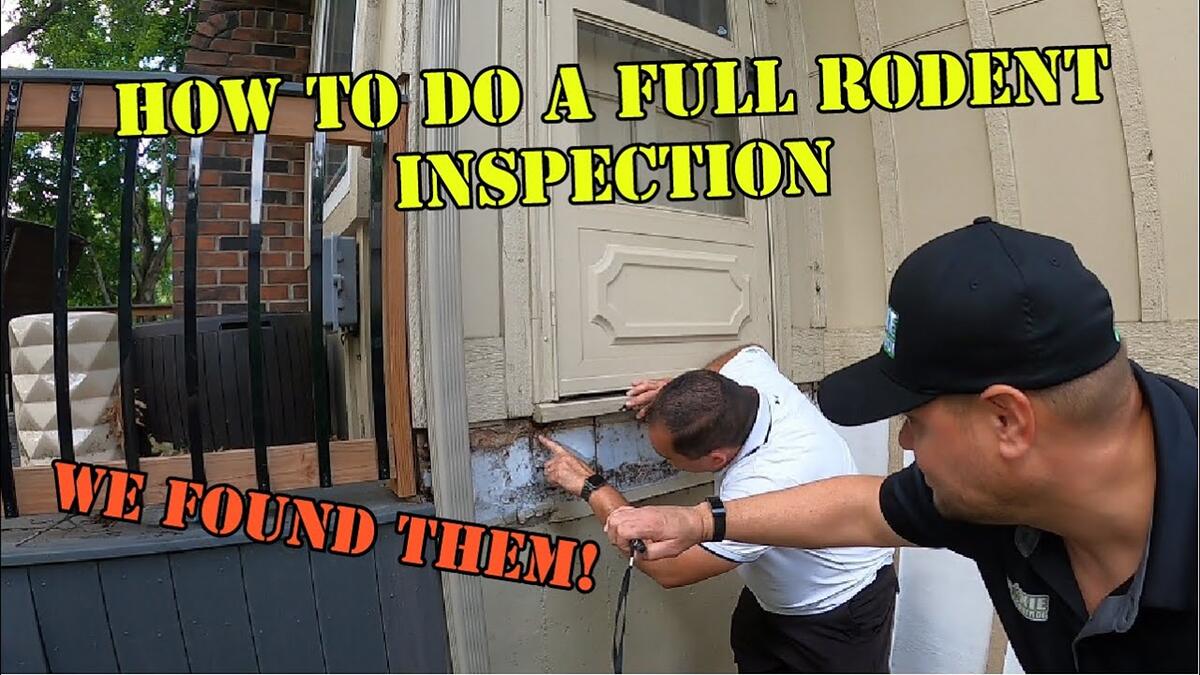
Video: How to do a mouse or rat inspection on a home, from Pest Control Guys.
How a rodent inspection runs in Houston
The search starts at the roofline, works down through the house and ends with a report that puts sealing first.
-
Roofline from a ladder
Every pipe boot, vent, roof return, fascia gap and soffit-to-brick joint is checked and photographed, along with any limb, vine or wire that reaches the eave.
-
Attic and crawl space
Dropping runs, rub marks, chewed wire and nesting are mapped in the attic, and on a pier-and-beam house the skirting, vents and piers are checked from below.
-
Interior and yard
Kitchen, garage, utility closets and the yard are walked for droppings, burrows and gnawing, and the species is confirmed from what is found.
-
Written report
You receive the openings, the contamination level and an itemized price for sealing, trapping, cleanup and follow-ups, with sealing scheduled first.
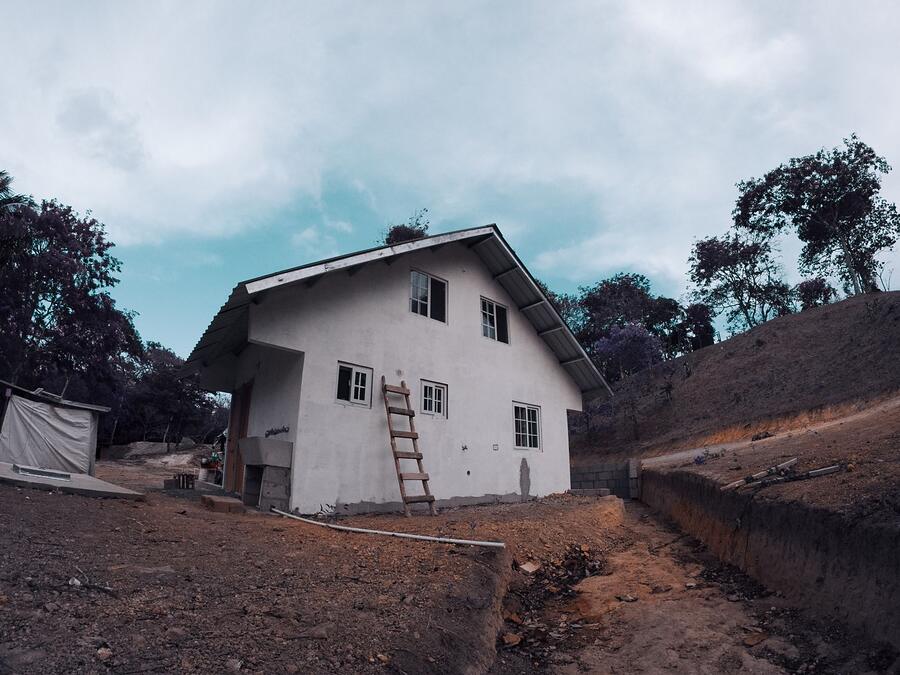
Why Houston homeowners start with this inspection
The inspection is free, it is written down, and it is measured against a published standard.
-
Free where others charge $100 to $200
A standalone rodent inspection in Houston runs $100 to $200 in Angi's local data, and homeowner threads describe that fee as the reason people delay getting a bid at all. The inspection arranged here costs nothing, and the written report can be shown to any other contractor for a competing quote. Nothing is sold during the walk-through. The report is the product, and it is yours whether the job is booked or handed to someone else.
Angi Houston: rodent inspection $100 to $200 elsewhere
-
Every opening measured against a quarter inch
Whoever attends measures each gap against the UF/IFAS quarter-inch rat-proofing figure, with a mouse needing a quarter inch and a rat half an inch. On a Houston roof that means every cracked pipe boot, split vent base and open soffit-to-brick joint goes on the list with a photograph and the metal closure proposed for it. A list built to that standard is what makes the sealing quote checkable.
UF/IFAS: rat-proofing standard of a quarter inch
-
A TDA license behind every routed job
The Texas Department of Agriculture licenses any business that controls rats and mice for hire, and its consumer guidance tells homeowners to check the license before signing. Every contractor we route holds the TDA license the job needs, and you are encouraged to ask for the TPCL number and confirm it with the department before work starts. Where a job turns into raccoon or squirrel work, Texas Parks and Wildlife rules apply as well, and the report says so.
Texas Department of Agriculture Structural Pest Control Service: pest control category covers rats and mice
What Reddit Says About Rodent Inspection in Houston
Homeowner threads on r/pestcontrol and r/HomeImprovement treat the inspection as the step where a rodent job is won or lost, and the first piece of advice is to get more than one bid for the same scope. A single quote is described as impossible to read. People tell each other to insist on an itemized report that separates trapping from sealing from cleanup, and to ask directly if the company does its own repairs or only traps.
The inspection fee comes up again and again. A charge of around $75 to get a bid is described as the barrier that keeps people waiting while the problem grows, which is the argument for a free one. Local companies get the nod over national brands, again and again.
The red flags are about what an inspector does with what is found. A plan built on bait with no sealing draws the sharpest criticism, along with the line that poison makes rats thirsty so they go outside to die, which commenters treat as a mark of dishonesty. A quote that hides a monthly monitoring contract inside the removal figure is another. So is a company that returns month after month with nothing to show.
The questions people pass around: what exactly is included and what is a separate line item; is the sealing warrantied, and does the warranty renew; how many return visits are part of the price; will you clean and decontaminate or only trap; what happens if they come back. Species confusion is a real theme, with one thread showing two exterminators disagreeing over whether an animal was a young roof rat or a mouse, which is a point in favor of an inspector who identifies from droppings and location instead of a glance.
The report from the inspection arranged here answers those questions in writing, line by line, before any work is booked.
A typical inspection call in Houston
The situation: A couple in a 1920s pier-and-beam bungalow in Woodland Heights have heard running above the back bedroom every night for three weeks, and once found droppings on top of the water heater. A neighbor told them it was probably squirrels. One of them has moved to the couch to sleep. They have had one quote already, a single number with no breakdown, and want to know what the number is for.
What gets done: Whoever attends starts on a ladder at the rear eave, where a live oak limb rests on the shingles, and finds a split rubber pipe boot and an open roof return at the corner. In the attic, a dropping run along the top plate leads to the return, and the droppings are a quarter to half an inch with pointed ends, which puts the animal as a roof rat. Under the house, two foundation vents have lost their screens and there is a fresh burrow at a rear pier, which is a second, separate animal. The kitchen and garage are clean. The report lists the three roofline openings and the two crawl-space openings with photographs, notes light contamination in one section of blown insulation, and prices sealing, trapping, a follow-up and a spot cleanup on separate lines.
How it turns out: The couple take the report to the contractor who gave the single number and ask for the same lines. They book the sealing and trapping together, arrange the pruning of the oak limb, and keep the report with the house papers. The bedroom goes quiet the week the roof return is closed.
Inspection questions from Houston homeowners
These come up on the phone and in homeowner threads about getting a rodent bid.
Booking the inspection
Is the inspection really free, or is there a catch?
The inspection is free and the written report is yours whether or not any work is booked. Elsewhere in Houston an inspection runs $100 to $200 in Angi's local data, and that fee is the usual reason people wait. The report from the free inspection can be handed to another contractor for a competing quote, and doing so is encouraged. What is sold, if anything, is the sealing, trapping and cleanup priced on the report, each on its own line so it can be compared.
Do I need to be home, and do I need to clear the attic?
Someone needs to be home to open the house, walk through what has been heard and seen, and receive the report at the end. The attic hatch and any crawl-space access need to be reachable, and stored boxes near the hatch help if they are moved back a few feet, but nothing needs to be emptied. Keep pets shut away while the ladder is up and the attic is open. Plan on an hour or two, longer on a large two-story house or one with a crawl space.
How do I know if it is a rat, a mouse or a squirrel?
Droppings, timing and location decide it. UF/IFAS gives roof rat droppings at a quarter to half an inch, banana shaped with pointed ends, found in the attic and along the top of walls. Mouse droppings are smaller and turn up in kitchens and garages. Squirrels are active in daylight and sound heavier, and squirrel or raccoon work brings Texas Parks and Wildlife rules into the job. Rat and mouse activity at night in the attic is the common Houston pattern, and the inspection names the species in the report.
After the report
How long after the inspection can the work start?
Sealing and trapping are usually scheduled as one visit within the following days, subject to the contractor's calendar, and the report says what order they run in. Cleanup waits until the attic has gone quiet, which means at least a week after the traps go in, because UF/IFAS advises a week with traps in place for roof rats, which distrust new objects. HomeGuide's range is two or three days for a small trapping job and up to two months for a severe one. The phone line is answered 24 hours a day and the calendar is set with whoever attends.
Can I use the report to get another quote?
Yes, and that is one of its purposes. The report lists each opening with a photograph and a proposed material, the contamination level and a line-by-line price. Any contractor can quote against it, and a quote that comes back as a single number with no lines is the one to question. Ask every bidder for the TPCL number, the material at each opening, the number of follow-up visits and the warranty terms on the sealing, and compare the answers side by side.
Still have a question? Call (713) 804-8785 and ask.