Rodent Removal in Sugar Land, TX
Sugar Land grew from a sugar company town into master-planned brick subdivisions along Oyster Creek and the Brazos, and its attics take roof rats through vents and brick joints. The free inspection finds the openings and the itemized quote follows.
- Free roofline and attic inspection
- Someone answers 24 hours a day
- TDA-licensed contractors on every job
Free Inspection in Sugar Land
The free inspection on a Sugar Land house reads the attic for droppings and rub marks, then walks the roofline for cracked vent boots, open soffit-to-brick joints and chewed vent screens, and checks the weep gaps, garage corners and utility penetrations at ground level before the quote is written. Sugar Land is the largest city in Fort Bend County and sits about 19 miles southwest of downtown Houston along Interstate 69 and U.S. 59, well inside the service area. Licensed contractors handle every job we route, and the inspection costs nothing.
The phone at (713) 804-8785 is answered 24 hours a day. A rat in the ceiling is a house that no longer feels like yours, and most people who call have already had three sleepless nights. Book a free inspection on the contact page or by phone and we will work out what has happened at the property.
From company town to First Colony: the Sugar Land housing stock
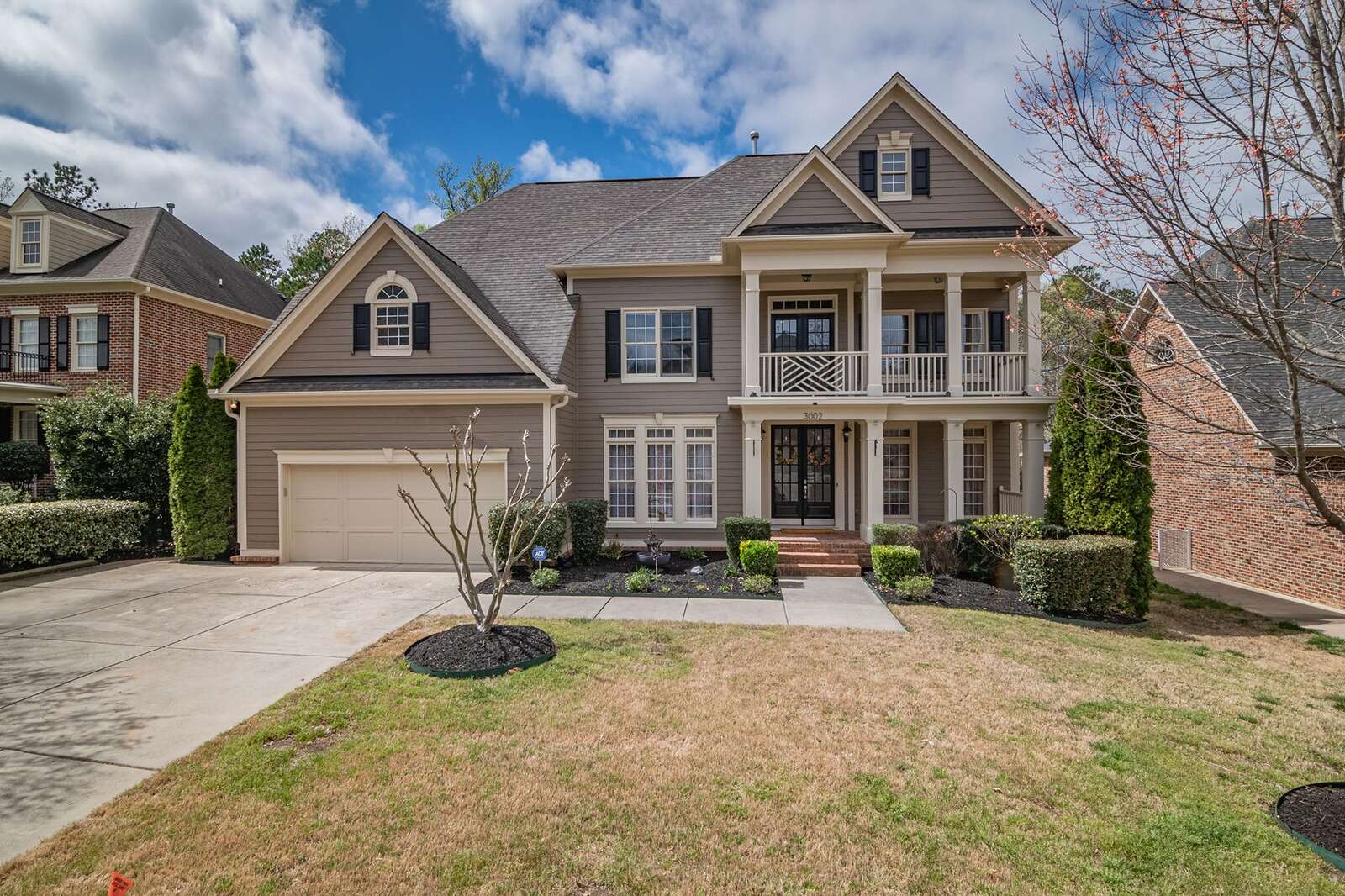
Sugar Land housing is dominated by brick-veneer slab homes in master-planned communities, starting with First Colony in 1977 and continuing through Sugar Creek, New Territory, Telfair, Greatwood and Riverstone, and every one of those houses meets a rat at the roofline instead of a crawl space. The city began as the company town of Imperial Sugar, incorporated in 1959, and the refinery on U.S. 90A closed in 2003; the old char house still marks the skyline near the Imperial district. The houses that filled the ten thousand acres of First Colony and the communities after it are composition-shingle roofs over vented attics, with blown fiberglass or cellulose insulation and a radiant barrier in the newer ones.
The entry points on that construction are consistent from one subdivision to the next: the joint where the soffit meets the top course of brick, the weep holes along the bottom course, the rubber boot on every plumbing vent once Gulf sun has split it, the plastic base on a mushroom vent, and the corners of the garage door seal. A roof rat needs an opening of half an inch and a mouse a quarter inch, per University of Florida extension guidance, so a weep gap qualifies. Homes from the late 1970s and 1980s in First Colony and Sugar Creek now have mature live oaks reaching the eaves, which is the roof rat's route onto the shingles. Trees over the roof plus an open soffit joint is the Sugar Land combination, and rodent exclusion on a house like that is a roofline job with a pruning list attached.
Oyster Creek, the Brazos levees and Harvey
Most of Sugar Land is protected from the Brazos River by levee improvement districts, and during Hurricane Harvey in 2017 the district covering First Colony recorded more than 31 inches of rain inside its levees and around 200 homes with water inside, in Settlers Park and Chimney Stone among other streets, while the Brazos reached a record crest. Oyster Creek runs from the northwest of the city to its eastern edge, and the greenbelts, lakes and drainage channels that carry that water are also where Norway rats burrow and roof rats forage between houses.
Flooding pushes rodents out of low harborage and into garages and attics, and the Centers for Disease Control ties rises in leptospirosis to hurricanes and floods, names rodents among the reservoirs, and advises rodent control as a post-flood measure. Hurricane Beryl in July 2024 brought the other kind of storm: sustained wind around 50 mph across Sugar Land, gusts higher, close to a foot of rain in the northeast of Fort Bend County, and weeks of tree debris pickup. Wind that takes limbs down also lifts soffit panels and vent caps. A house that has been through either kind of storm is a candidate for a post-storm rodent inspection before the sound starts.
Gulf humidity and what it does to a Sugar Land attic
Humidity turns a rodent problem in a Sugar Land attic into an insulation problem, because cellulose that has been soiled by nesting and urine will hold moisture in air that averages around 73 percent relative humidity across the year. Blown fiberglass fares a little better and is still compressed and fouled by traffic. The Department of Energy notes that compressed insulation does not deliver its rated R-value and that wet insulation performs poorly, which is why attic cleanup on a Sugar Land house often means removing and replacing the affected insulation instead of spot cleaning it.
The heat is the other half. Sugar Land attics run hot enough through the summer that the vents which keep them tolerable are also the openings rats use, and closing them with foam blocks the airflow the attic depends on. Quarter-inch galvanized hardware cloth over a vent passes air and stops the animal. Rats here breed in every month, and demand peaks from October to December when the first cool nights send them inside; the rat removal page sets out the trapping-and-sealing sequence that follows.
What We Handle in Sugar Land
Sugar Land calls turn into roofline exclusion on brick slab homes, trapping inside the same week, and insulation replacement where the nesting has gone on for a season. The services below cover what those houses need.
- Rat removal: roof rats in the attics of First Colony and Telfair homes, trapped on the runs after the roofline is closed
- Mouse removal: house mice in garages and kitchens along the Oyster Creek greenbelts, with the weep gaps and door seals closed
- Rodent exclusion: soffit-to-brick joints, vent boots and mushroom vent bases closed with steel on a Sugar Land roofline
- Rodent inspection: the free attic and roofline walk that produces the itemized quote
- Attic cleanup: soiled cellulose removed, the deck treated, and new insulation blown in where humidity has made cleaning pointless
- Attic insulation replacement: compressed and fouled insulation replaced to its rated depth
- Rodent clearance letters: written findings for a Sugar Land sale where a buyer or inspector has asked
A Typical Sugar Land Job
The situation: A retired couple in a 1980s brick home in First Colony, with a live oak on either side of the house that now shades the whole roof, has heard gnawing behind the upstairs closet wall for a month. A relative told them it was probably the house settling. The wife has been lying awake tracking where the sound moves.
What gets done: Whoever attends finds oak limbs resting on the rear slope, a mushroom vent with the plastic base cracked open, and the soffit-to-brick joint gapped along both gable ends where the veneer stops below the fascia. In the attic, a rub-marked run leads from the vent across the cellulose to the closet wall, and the insulation there is matted and stained. The vent base is replaced and screened, both gable joints are closed with galvanized hardware cloth fastened to the framing, snap traps go on the run, and the couple is given a pruning note for the limbs. After the attic goes quiet, the soiled cellulose over the closet is removed and replaced as its own line on the quote.
How it turns out: Two adults are taken in the first nights and nothing after. The return visit confirms no fresh droppings, the closures hold, and the couple has a written closure list and a receipt for the insulation work to keep with the house papers. The sound behind the closet stops, and so does the tracking.
What This Costs in Sugar Land
Houston-area rat exterminator jobs, which include Sugar Land, come in at about $831 on average in Angi's Houston data, and the bands below are typical-job ranges that the free inspection turns into an itemized quote for your roofline. HomeGuide's 2026 national figures sit beside them for comparison.
| Line item | Houston (Angi) | National (HomeGuide 2026) |
|---|---|---|
| Inspection | Free here; $100 to $200 is common elsewhere | $0 to $175 |
| Trapping and removal | Most homeowners pay $381 to $1,370 | $250 to $1,200 |
| Follow-up visit | $50 to $150 | Within the job band |
| Exclusion sealing | $430 to $1,300 | $500 to $2,500 for a full home |
| Attic cleanup and decontamination | Quoted at inspection | $600 to $2,500 |
| Insulation removal and replacement | Quoted at inspection | $2.50 to $5.50 per sq ft |
| Dead rodent removal | Quoted at inspection | $150 to $500 |
A Sugar Land quote moves inside the band on three things: how many openings the roofline has, whether tree limbs put ladder time on the job, and whether the insulation over the nesting area has to come out. Per-square-foot insulation pricing scales with the size of the affected area, so a small nesting zone is a small line. Ask for sealing, trapping, return visits and cleanup on separate lines and ask whether any monthly plan is folded into the total.
Materials that keep rodents out
A comparison of what actually holds at a gap.
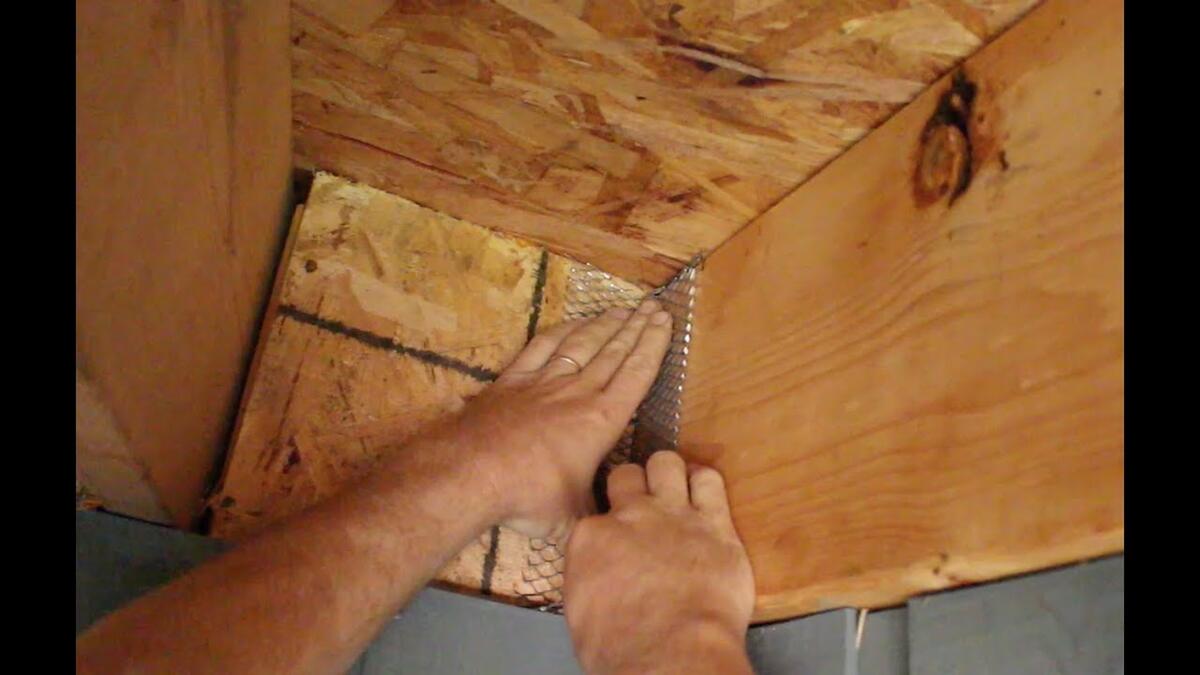
Video: How to keep mice out. Cheaper than hardware cloth, from Ontario Lakeside.
Common Questions in Sugar Land
What callers from Sugar Land ask before booking.
Getting rid of them
What is the cheapest way to get rid of rats in Sugar Land?
Sealing the roofline and trapping inside is the cheapest approach that ends the problem, because anything cheaper on the day is paid for twice. Bait stations alone cost less up front and leave the openings in place, so the next rat from the greenbelt walks in, and a rat that eats an anticoagulant bait typically dies four days to two weeks later, which in a slab home often means inside a wall. The EPA describes that timeline for most rodenticides. Snap traps on the runs plus hardware cloth at the vents and soffit joints is what the jobs we route in Sugar Land come down to, and the inspection that prices it is free.
Can trapping alone carry a Sugar Land house for a while, or do the chewed openings need closing now?
The openings have to be closed for the trapping to mean anything, and closing them on the first visit is what keeps a Sugar Land job to weeks instead of months. A roof rat travels around 150 yards from its den, so the population in the oaks and along Oyster Creek is larger than the animals in your attic. Trapping alone harvests them one at a time. Chewed vent screens and open soffit joints closed with steel on day one, with traps set the same afternoon, is the sequence licensed contractors use on the jobs we route.
Sugar Land houses and contractors
Does the insulation in my attic have to be replaced?
Only the insulation the inspection finds soiled or compacted comes out, and in a humid Sugar Land attic that is a judgment about moisture as much as mess. Cellulose that has held rodent urine through a summer at Gulf humidity will hold the odor and will not dry, and the Department of Energy notes that compressed and wet insulation underperforms its rating. Fiberglass in a lightly used area can often stay. The quote lists the affected square footage as its own line so you can see what is being replaced and why.
What license should a rodent contractor in Fort Bend County have?
A business that controls rats or mice for pay anywhere in Texas, Sugar Land and the rest of Fort Bend County included, needs a business license from the Texas Department of Agriculture's Structural Pest Control Service and a certified applicator on staff. The number is shown on the vehicle as a TPCL number. Live trapping alone has been exempt since 2009, but anyone placing rodenticide needs the license. Every contractor we route holds the TDA license the job needs. Ask for the TPCL number and check it with the Department before work starts, as TDA's rodent control flyer advises.
Still have a question? Call (713) 804-8785 and ask.
Nearby Areas We Serve
The same contractors cover the towns around Sugar Land, and the service area takes in Fort Bend County along with the rest of the Houston metro.