Rodent Removal in Spring Branch
Spring Branch is ranch houses on slabs, older bungalows to the east, and a set of creeks that drain into Buffalo Bayou. Rats use the creeks to travel and the brick and rooflines to get in. Licensed contractors handle every job we route.
- Free inspection, slab or bungalow
- Brick-weep and roofline sealing
- TDA license on every job
Where rats get into a Spring Branch house
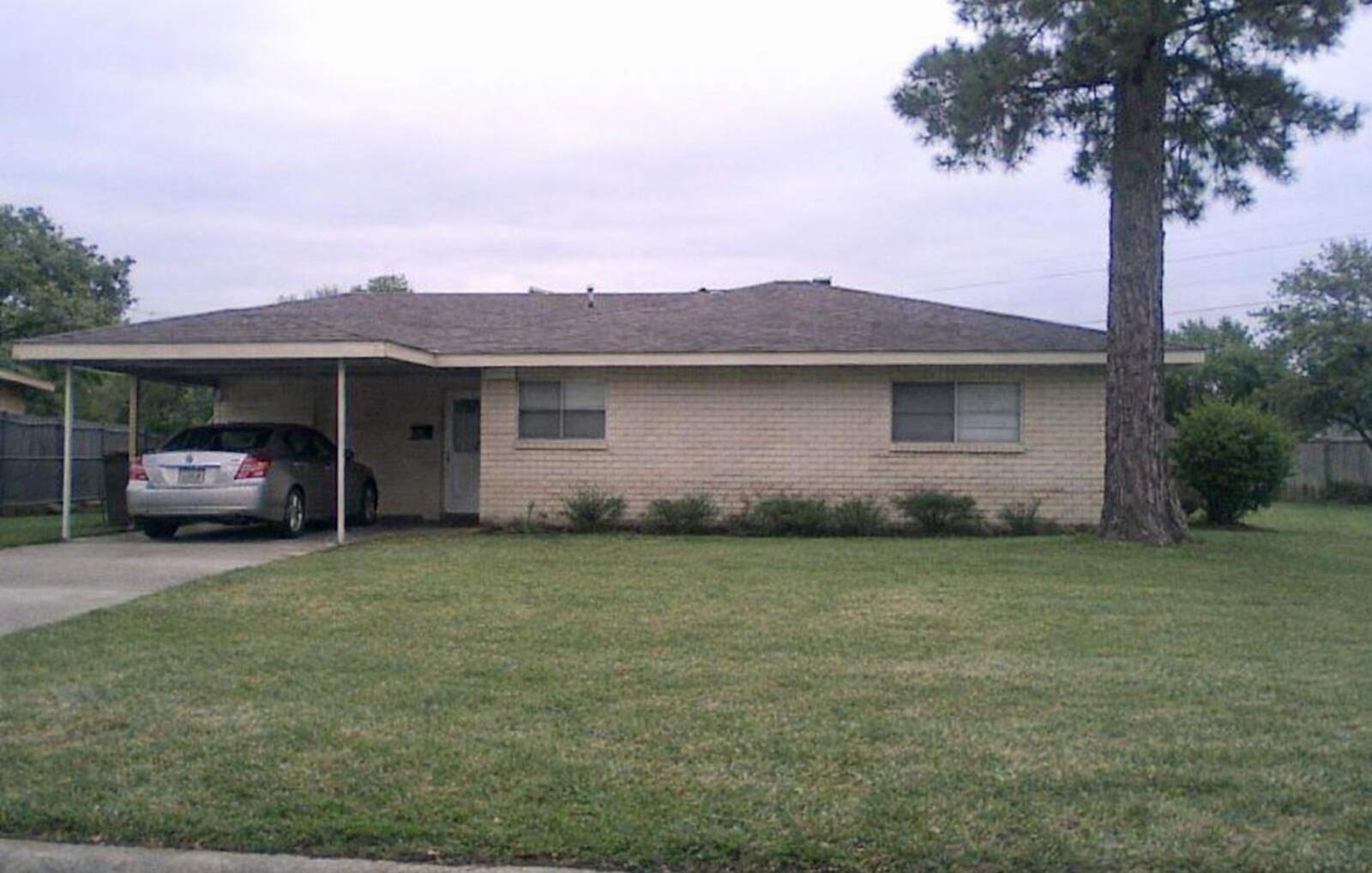
Most of Spring Branch was built between the 1950s and the 1970s, and that dates the entry points. The district runs from the 610 Loop west to Beltway 8 between Interstate 10 and Hempstead Road, and Houston annexed its eastern half in the 1940s and the western half in the 1950s, after a push to make Spring Branch its own city failed. What followed was the suburban ranch house: single story, brick veneer, low hip or gable roof under composition shingle, vented attic, and a slab underneath.
On a slab ranch there is no crawl space to guard, so the Norway rat works the slab edge, the garage door corners, the water heater closet and the AC line penetration, and the roof rat works the roof. The soffit-to-brick joint is the recurring Spring Branch entry: the wood or aluminum soffit meets the top course of brick with a gap that was never closed, and a rat coming off a fence, a utility line or a live oak limb walks straight in. Brick veneer also has weep holes at the base of the wall by design, and while they drain the wall cavity they open it to mice, which need only a quarter inch. Add the sun-cracked rubber pipe boots and plastic mushroom vents that Houston heat produces in a few years and the roofline has four or five candidates before anyone climbs a ladder.
The east side is older. Spring Branch East is the oldest part of the community and still has blocks of wood-sided bungalows, and those are a different job when the house sits on blocks with an open crawl space under it. A Norway rat under a bungalow floor and a roof rat above it are the same two-front problem the inner-loop neighborhoods have. The free inspection settles which house you have, and the rodent exclusion page explains the two sealing approaches.
Spring Branch lies almost entirely inside the City of Houston and wholly in Harris County. The contractor we route holds the Texas Department of Agriculture license for rats and mice, and the TPCL number is on the truck.
Spring Branch Creek, Brickhouse Gully and Buffalo Bayou as rat corridors
The creeks that named this neighborhood are the routes rats use to move through it. Spring Branch itself, Brickhouse Gully and Briar Branch all cross the district and drain south into Buffalo Bayou, and Spring Branch Creek today runs partly in underground culverts, partly in a concrete channel and partly in its natural bed on the way under I-10. Norway rats burrow in the soft banks and the culvert mouths, and the concrete sections carry them along the fence lines of every subdivision they pass.
Harvey showed what those channels do at high water. Brickhouse Gully left its bounds during the 2017 storm, and a city study estimated it damaged more than 2,300 homes and apartments in its watershed. Flooding pushes rats and mice out of burrows and storm drains into the nearest dry structure, and Houston pest firms told local television after Harvey that rodent populations were the worst they had seen and that the animals moved into attics. The CDC's post-flood guidance notes rising leptospirosis after hurricanes and floods and includes rodent control among the precautions, which is why a check after high water on the gully is worth the free visit.
Between storms the creeks still matter. A house that backs onto Spring Branch Creek or one of its tributaries has a rodent population living a fence away, and UF/IFAS puts a roof rat's range at about 150 yards from its den. Any opening that admits a rat will be found by one eventually, and sealing the house is what breaks the cycle.
What a rodent job in Spring Branch includes
A Spring Branch rodent job is a free inspection, a sealing and trapping visit run together, a return visit, and any cleanup quoted as its own line. The inspection reads the roofline from a ladder and the attic from inside, checks the slab edge, garage and penetrations, and on an east-side bungalow goes under the floor. The quote separates sealing, trapping, cleanup and follow-up so it can be compared with another bid.
Sealing and trapping happen on the same visit. The soffit-to-brick joint gets galvanized hardware cloth or sheet metal fastened to framing, cracked vent boots and mushroom vents are replaced or screened, weep holes get purpose-made weep covers that keep the drainage and stop the mouse, and the garage door gets a seal where daylight shows. Snap traps go on the dropping runs the same day and stay a week or more, because UF/IFAS notes roof rats are wary of anything new. HomeGuide's timeline is two to three days for a few animals and one to two months for a severe infestation. The rat removal page covers the trapping and the reasons poison in a slab house is a poor idea.
Fiberglass or cellulose insulation that has been nested in comes out and gets replaced when the contamination is widespread, because cellulose holds Gulf humidity and does not dry. The attic insulation replacement page explains when that is the right call. People who have been lying awake listening to the ceiling get a plain answer at the inspection about what is up there and what it will take. Book it on the contact page or by phone.
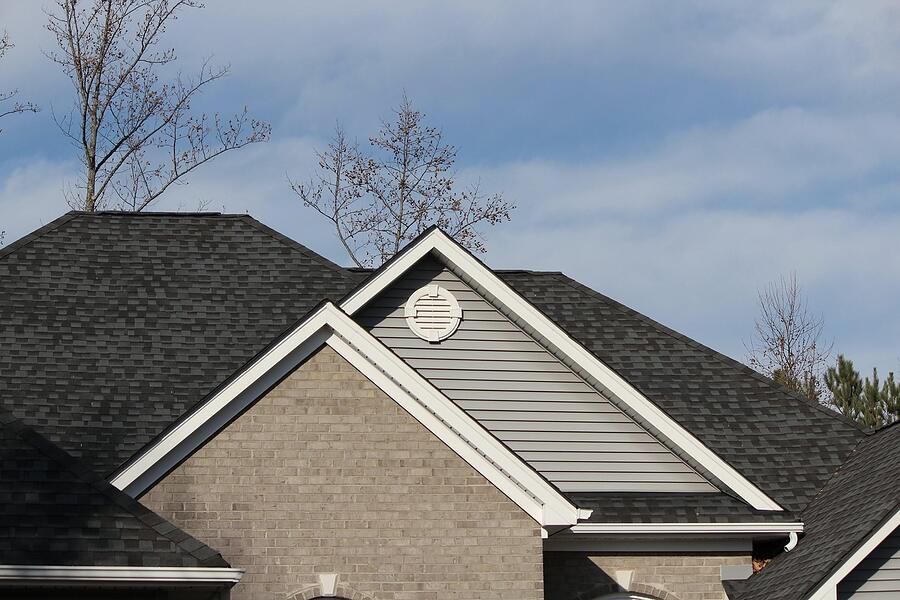
The soffit-to-brick joint on a Spring Branch ranch
The gap where the soffit meets the top course of brick is the single most common rodent entry on a 1960s Spring Branch ranch house, and it runs the length of every eave. The photo shows a representative closure: quarter-inch galvanized hardware cloth bent to the profile of the joint and screwed into the fascia framing, with the brick line left to breathe. Foam pushed into the same joint is chewed open within days and hides the hole from the next person on the ladder. The contractor we route treats foam as a backer behind metal and nothing more.
Keeping rodents out once they are gone
Three approaches, and why sealing is the one that lasts.
Video: 3 Ways To Get Rid Of Mice or Rats, And Keep Them Out!, from Everything Homestead.

Why Spring Branch homeowners book through us
Three things that matter on a slab ranch with a creek behind it.
-
Brick-veneer and roofline sealing, measured to a quarter inch
A slab house is sealed at the roofline, the brick line and the penetrations, and the contractor we route measures each opening against the quarter inch UF/IFAS gives as the rat-proofing standard. Weep holes get covers that keep the wall draining, the soffit-to-brick joint gets hardware cloth, and vent boots and mushroom vents cracked by Houston sun get replaced. The closure list names each opening and the material used.
UF/IFAS: mouse a quarter inch, rat a half inch; a quarter inch is the sealing standard
-
Trapping instead of bait in a closed wall
EPA notes that most rodenticides are anticoagulants and that death typically comes four days to two weeks after feeding begins, which in a brick-veneer wall means a carcass somewhere you cannot reach. Trapping avoids that, and UF/IFAS notes it reduces the risk of a poisoned rat dying inside the building. Jobs we route run snap traps on the marked runs alongside the sealing, and placing any bait is licensed work in Texas, so ask for the TPCL number before it goes down.
EPA: anticoagulant rodenticides kill 4 days to 2 weeks after feeding begins
-
Free inspection, itemized quote, Houston price bands
Angi's Houston data puts rat exterminator jobs at an average of about $831, most homeowners paying $381 to $1,370, with exclusion work at $430 to $1,300. Those are typical-job bands confirmed at the inspection, which is free here. The quote separates sealing, trapping, cleanup and return visits so a homeowner who has been told one bundled number by another company can see what is in it, and no monthly plan is folded into the price without saying so.
Angi Houston: rat exterminator jobs average about $831, typical $381 to $1,370
A common rodent call from a Spring Branch ranch house
The situation: A couple in a 1960s brick ranch backing onto a concrete-lined stretch of creek start hearing scratching over the bedroom in late October, when the first cool nights arrive. They have set a few traps in the attic with no result and a neighbor told them it is just the season and to ignore it. Neither of them has slept through a night in two weeks.
What gets done: Whoever attends finds a run of droppings along the rear top plate of the attic, an open soffit-to-brick joint over the patio where a utility line lands on the roof, a sun-cracked boot on the bathroom vent pipe, and a chewed corner on the garage door seal. Rub marks at the fence line show the route in from the creek. The joint and the vent get hardware cloth and a new boot, the garage seal is replaced, and snap traps go on the top-plate run the same afternoon and are left a full week. The quote shows sealing, trapping and one return visit as three lines.
How it turns out: Two roof rats are taken in the first three nights and the attic goes quiet. The return visit finds no new droppings, the traps come out, and the couple keeps a closure list naming the joint, the boot and the garage seal.
Spring Branch rodent questions
Questions that come up on calls from the ranch subdivisions and the older east side.
The house
My house is on a slab. How are the rats getting in?
Through the roofline and the brick, in almost every Spring Branch case. With no crawl space, the roof rat comes down from a fence, a utility line or an oak limb and enters at the soffit-to-brick joint, a cracked pipe boot, a mushroom vent with a failed seal or a gable vent screen. Norway rats and mice work lower: garage door corners, the AC line penetration, the slab edge under a patio door and the weep holes in the brick. The inspection walks all of it from a ladder and inside the attic before anything is quoted.
Should the brick weep holes be sealed?
Covered, and left draining. Weep holes exist to let water out of the wall cavity, and plugging them with mortar or foam traps moisture in a Houston wall. A mouse needs only a quarter inch and a standard weep hole is wider, so the fix is a purpose-made weep cover or a strip of stainless mesh pushed into the opening, which passes water and stops the animal. The mouse removal page covers the low-level entries in more detail.
Timing and cost
How long does it take to get rid of rats in a ranch house?
Most single-story Spring Branch ranches are sealed in one visit, with trapping running a week or two and a return visit to confirm. HomeGuide puts a small number of animals at two to three days and a severe, long-running infestation at one to two months. Trapping without sealing is what turns a two-week job into a six-month one, and sealing first is the sequence on every job we route.
What does rat removal cost in Spring Branch?
Angi's Houston figures are an average of about $831 for a rat exterminator job, with most homeowners paying between $381 and $1,370, and exclusion sealing at $430 to $1,300. National figures from HomeGuide 2026 run $250 to $1,200 for trapping and $500 to $2,500 for full-home exclusion. A single-story ranch with four roofline openings sits low in the band. An east-side bungalow with a crawl space to screen sits higher. The free inspection gives you the itemized number.
Still have a question? Call (713) 804-8785 and ask.