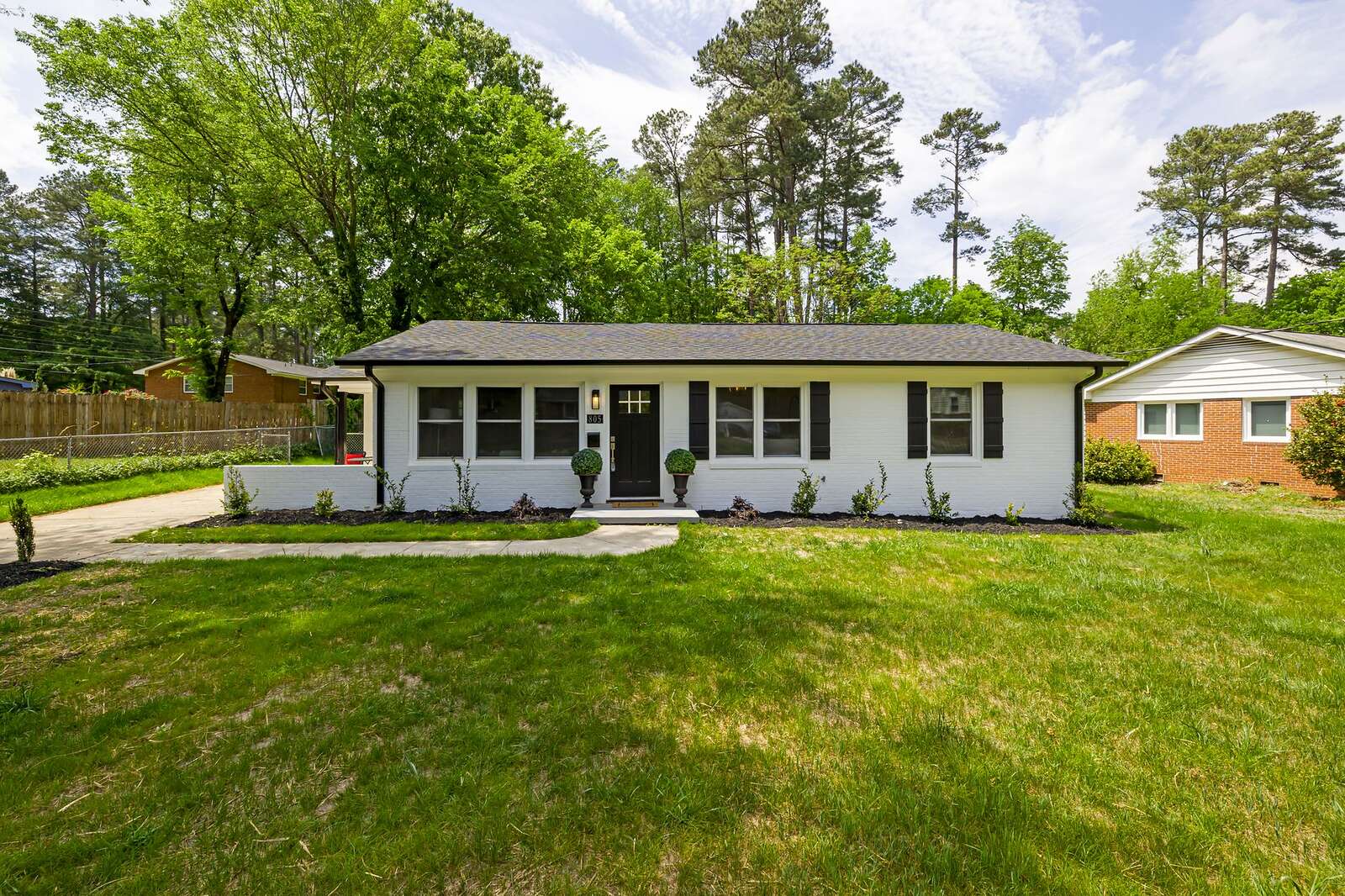
Rodent Removal in Humble, TX
Humble sits where the pine woods meet the coastal plain, with the West Fork of the San Jacinto River on its doorstep, and rats work both the tree line and the river bank. The free inspection finds how they got into your attic.
- Free attic and roofline inspection
- Every contractor holds a TDA license
- Phone answered 24 hours a day
Free Inspection in Humble
The free inspection on a Humble house reads the roof and the attic first, then the ground line, because a slab-built subdivision home and an older frame house near downtown Humble get in trouble in different places. Whoever attends checks pipe boots and vent bases on the shingle roof, the joint where the soffit meets the brick, the garage door seal and every utility penetration, then goes into the attic to find droppings, gnawing and disturbed insulation, and writes up an itemized quote with trapping, sealing and any cleanup on separate lines. Humble is a Harris County city about 18 miles northeast of downtown Houston on U.S. 59 and Interstate 69, just outside Beltway 8 and a few minutes from Bush Intercontinental Airport, and it sits well inside the service area.
Someone picks up (713) 804-8785 at any hour, day or night. A run of nights lying awake listening to something cross the ceiling is a normal reason to call, and so is a single set of droppings in a kitchen drawer. Book a free inspection and we get the response moving.
Humble has an oil-boom core and an airport-era ring of subdivisions
Humble is two towns in one, and the rodent work follows the split. The Texas State Historical Association records that the townsite was laid out in 1904 when oil was found nearby, that the Humble oilfield was the largest producing field in Texas by 1905, and that the city was incorporated in 1933 and stayed small until Houston Intercontinental Airport opened in 1969. The blocks around Main Street and the old downtown still hold small frame houses and cottages from those decades, raised on piers with skirting and open crawl spaces, and a crawl space is the Norway rat's way in. Roof rats reach the same houses from above, along the limbs of the mature trees that shade the old grid.
The ring of subdivisions built after the airport opened is a different building. Those are brick-veneer houses on concrete slabs with vented composition shingle roofs, and with no crawl space the openings move up to the roofline: cracked rubber pipe boots, mushroom and turbine vents whose plastic bases have split in the sun, the soffit-to-brick joint, roof returns and the weep gaps along the bottom course of brick. University of Florida extension guidance sets rat-proofing at a quarter inch, so a weep gap qualifies on its own. The rodent exclusion page lays out crawl-space sealing for the older houses and roofline sealing for the newer ones, and a Humble quote should say which of the two it is pricing.
The San Jacinto River and Lake Houston push rodents inland when they flood
Humble grew up as a river town, named for Pleasant Humble, who ran a ferry on the San Jacinto River before the town existed, and the river still shapes what happens to rodents here. The West Fork runs along the east edge of the city on its way to Lake Houston, and its banks, the creek bottoms and the storm drains that feed it are where Norway rats burrow and where roof rats travel through the brush. When that water rises, everything living in it moves uphill.
During Hurricane Harvey in August 2017 the National Weather Service recorded major flooding on the San Jacinto, driven by rainfall, releases from Lake Conroe and backwater from Lake Houston, with hundreds of homes damaged along the river and the Humble-to-Lake Houston stretch among the hardest hit, including neighborhoods such as Northshore and Belleau Woods. Houston pest firms reported to local news afterward that rodents moved into attics across the area. The Centers for Disease Control connects rises in leptospirosis to hurricanes and floods, lists rodents among the animals that carry it, and names rodent control as a step to take after flooding. Hurricane Beryl in July 2024 brought the other kind of storm: Community Impact reported around eight inches of rain and wind gusts in Humble, with trees down and power out for days across the Lake Houston area. A limb on a roof opens a soffit, and an opened soffit is a rat door. The post-storm rodent inspection covers a house that has been through either.
Pine woods on the north side keep the roof rat fed all year
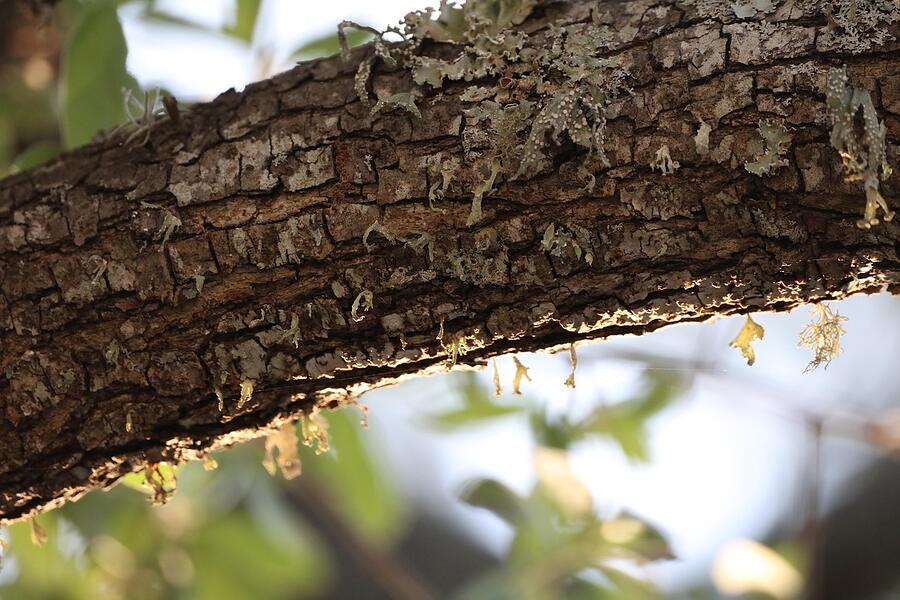
Humble sits where the Big Thicket pine forest runs down to meet the coastal prairie, and the pines, oaks and understory that survived the subdivisions are a roof rat's habitat and highway. UF/IFAS describes the roof rat as an arboreal species that moves along branches, trunks and wires and ranges around 150 yards from its den, so a greenbelt or a wooded lot behind a fence puts every roof on the street within reach. Houston rodents breed in every month of the year; extension figures put a female at maturity in three to four months with litters of five to eight, several times a year. What changes in October through December is that the nights cool and the rats that were content in the trees commit to the attic.
That is why Humble calls cluster after the first cold front. A house that has been quiet all summer starts producing footsteps over the bedroom at two in the morning, and the household starts doubting itself when nobody else hears it. The rat removal page covers the trapping and sealing sequence, and mouse removal covers the deer and field mice that show up in Humble garages in the same cool months.
What We Handle in Humble
Rodent work in Humble runs from crawl-space sealing on the old frame houses near downtown to roofline sealing on the brick slab homes around the airport and the river, with trapping alongside and cleanup where nesting has gone on for a season. These are the services a Humble call turns into.
- Rat removal: roof rats in the attic and Norway rats under an old pier-and-beam house, trapped on the runs and sealed out
- Mouse removal: house mice and field mice that come in from the pine edge and the river bottom when the nights cool
- Rodent exclusion: hardware cloth and sheet metal at vent bases, pipe boots, the soffit-to-brick joint and crawl-space skirting
- Rodent inspection: the free walk of the roof, attic and ground line that produces the itemized quote
- Attic cleanup: soiled blown insulation removed and the attic decontaminated after a long infestation
- Post-storm rodent inspection: the check after river flooding or a wind event like Beryl
- Dead rodent removal: locating and removing a carcass in a wall or attic, common after a neighbor's poison job
A Typical Humble Job
The situation: A family in a one-story brick home in a Humble subdivision near the river took water during Harvey, rebuilt the ground floor, and has had no trouble for years. After a cold front the mother hears something dragging across the ceiling above the hallway each night, and a week later there are droppings on top of the water heater in the garage. Her husband has not heard it once and has told her it is the house settling.
What gets done: Whoever attends starts on the roof and finds two openings: a rubber boot on the bathroom vent stack split around its full circumference, and a turbine vent whose plastic base has cracked along the seam. In the attic the blown cellulose has runs pressed into it toward the garage wall, and the garage door seal has a chewed corner. The boot is replaced and collared with metal, the turbine base is replaced and screened, the garage seal is renewed, and snap traps go on the attic runs the same day. The traps stay a full week, because extension guidance notes that roof rats avoid new objects for the first several nights.
How it turns out: Two adults come out over the first several nights and the attic goes quiet. On the return visit there are no fresh droppings and no gnawing at the closures, the cellulose along the runs is removed and replaced, and the family has a written list of the three openings with the material used at each. She was right about the noise, and she sleeps.
What This Costs in Humble
Angi's Houston figures, which cover Humble, put a typical rat exterminator job in the neighborhood of $831, and most homeowners land somewhere from $381 up to $1,370; the bands below are typical-job ranges the free inspection turns into an itemized quote for your house. National figures from HomeGuide's 2026 survey sit beside them for comparison.
| Line item | Houston (Angi) | National (HomeGuide 2026) |
|---|---|---|
| Inspection | Free here; $100 to $200 charged elsewhere | $0 to $175 |
| Trapping and removal | Around $831 typical; $381 to $1,370 for most jobs | $250 to $1,200 |
| Follow-up visits | $50 to $150 per visit | Within the job band |
| Exclusion sealing | $430 to $1,300 | $500 to $2,500 whole house |
| Attic cleanup and decontamination | Quoted at inspection | $600 to $2,500 |
| Insulation removal and replacement | Quoted at inspection | $2.50 to $5.50 per square foot |
| Dead rodent removal | Quoted at inspection | $150 to $500 |
In Humble the biggest swing is the kind of house. A brick slab home with two failed vent seals is a short roofline job at the low end of the exclusion band. An old frame house near downtown with open skirting, a soffit that was never closed and trees on the eaves needs both crawl-space screening and roofline work, and sits higher. Attic cleanup is its own line and only appears when the inspection finds soiled insulation. Ask for each line separately and ask whether the return visit is inside the number.
Mice, squirrels, or something else
How the signs differ between the two.
Video: Signs of Mice vs. Squirrels In Your Attic, from Skedaddle Humane Wildlife Control.
Common Questions in Humble
What callers from Humble ask before booking.
Getting rid of them
What is the cheapest way to get rid of rats in a Humble house?
The cheapest job over a year is sealing plus trapping done once, because anything cheaper on the day gets repeated. Bait alone is the low first quote and the expensive one later: EPA notes most rodenticides are anticoagulants that take days to two weeks to kill, so the rat often dies inside a wall of a slab home where nobody can reach it, and the opening it used is still there for the next one. Trapping with the roof open turns into a monthly subscription. Closing the openings on the first visit and running snap traps for a week is the version that ends.
How long does it usually take to get rid of rats here?
Most Humble jobs run from one to three weeks, with the sealing done on the first visit and traps in place at least a week after that. HomeGuide puts trapping a handful of animals at two to three days and a heavy, established infestation at one to two months, and the difference in Humble usually comes down to whether the attic had been active for a season before anyone called. A house near the river that has hosted rats since the last flood takes longer than one where the noise started with the first cold front. The return visit that finds no fresh droppings is what closes the job.
Humble houses and contractors
My house is on piers near old downtown Humble. Is that worse than a slab?
A pier-and-beam house has one more door than a slab house, and that is all. The crawl space gives Norway rats a ground-level way under the floor, and open skirting, a rotted access door or a gap where a pipe passes through the floor lets them up into the walls. The fix is the same quarter-inch standard applied low: galvanized hardware cloth over the skirting gaps and vents, a solid access door, and metal around the floor penetrations. The roofline still gets the same walk as a slab house, because the mature trees on the old blocks are the roof rat's route in.
Who can legally do rodent work in Humble, and how do I check?
Rodent control for pay in Humble, as anywhere in Harris County, requires a business license from the Texas Department of Agriculture's Structural Pest Control Service and a certified applicator, and the pest control category covers rats and mice by name. The number appears on the truck as a TPCL number. Trap-only work with no bait has sat outside the license requirement since 2009, while anyone setting rodenticide has to hold it. Every contractor we route holds the TDA license the job needs. Ask for the TPCL number and confirm it with the Department before you sign, which is what TDA's own rodent flyer for homeowners recommends.
Still have a question? Call (713) 804-8785 and ask.
Nearby Areas We Serve
The same contractors cover the towns around Humble, and the service area takes in Harris County along with the rest of the Houston metro.