Rodent Removal in Friendswood, TX
Friendswood was settled on land drained by four creeks, and the big trees along them are why so many of its houses hear rats in the attic each fall. The free inspection finds the limb and the opening it leads to.
- Free attic and roofline inspection
- Every contractor carries a TDA license
- Phone answered any hour, any day
Free Inspection in Friendswood
The free inspection on a Friendswood house starts with the trees, because the canopy here is the roof rat's road. Whoever attends notes every limb within reach of the roof, then walks the composition shingle roof for cracked pipe boots, split vent bases, roof returns and the soffit-to-brick joint, checks the garage corners and the line penetrations at the slab, and reads the attic for droppings, gnawing and runs in the insulation. The quote that follows lists trapping, sealing and any cleanup on separate lines. Friendswood is about 22 miles southeast of downtown Houston off Interstate 45 or the Beltway, straddling the Galveston and Harris county line along FM 518 and FM 528, and it sits inside the service area.
Someone answers (713) 804-8785 at any hour. A month of scratching over the bedroom, and a spouse who says it is the house settling, is a normal reason to call. Book a free inspection and we work out what has happened.
Friendswood's old Quaker townsite and its large wooded lots
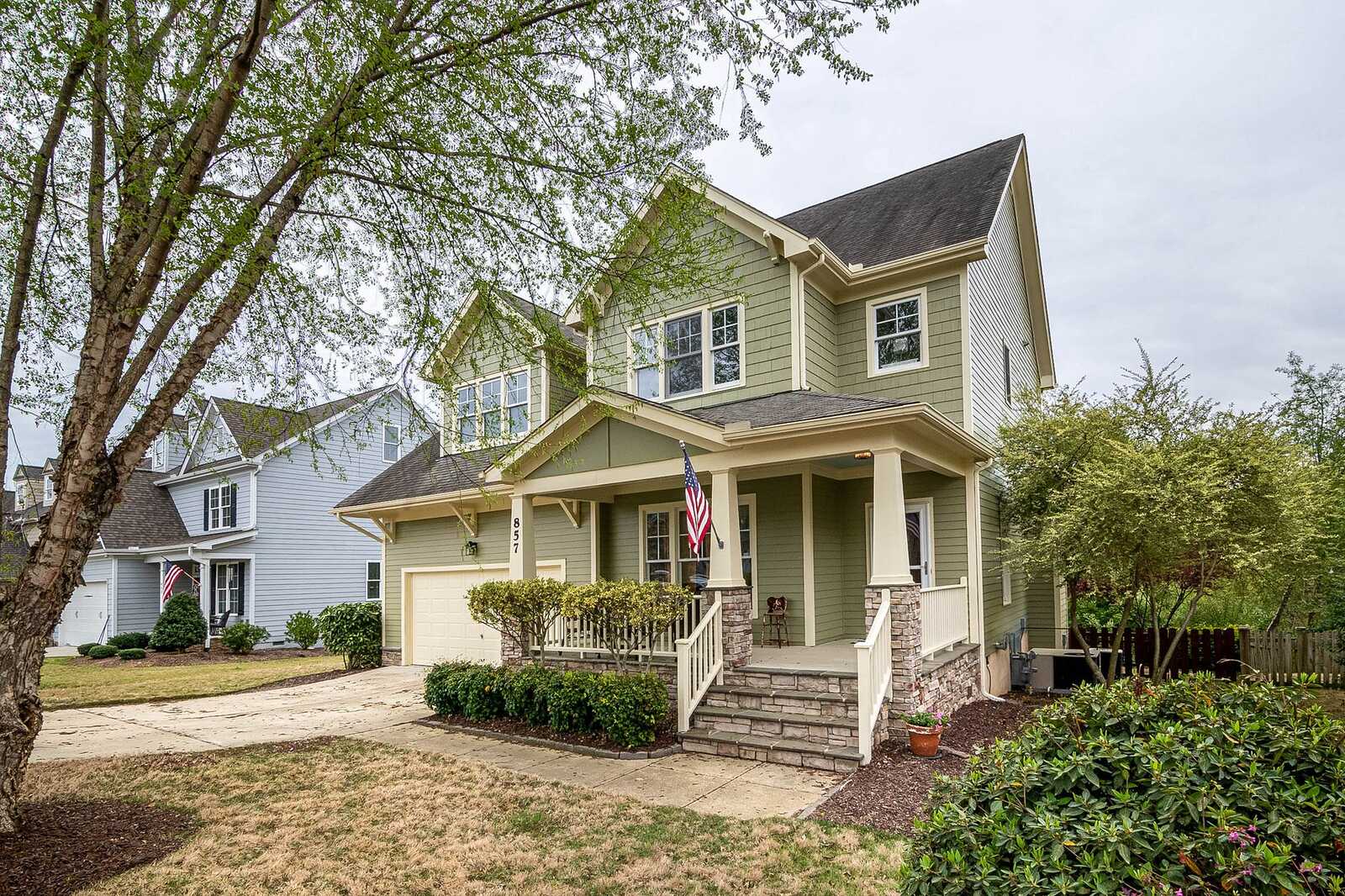
Friendswood is one of the few Houston suburbs with a founding story that explains its trees. The Texas State Historical Association records that Francis Jacob Brown, of Quaker heritage, located a tract of more than 1,500 acres here in 1895, negotiated for it with J.C. League, and settled it with a small group of Quaker families who named the town for the Society of Friends. The land they chose was drained by Chigger, Coward's, Mary's and Clear creeks, and the fig orchards and farmsteads of the early decades gave way from the 1960s on to subdivisions of ranch houses and later two-story brick homes on lots that kept their oaks, pecans and pines. That is the Friendswood a rodent contractor sees: mature canopy over shingle roofs, on slab foundations with a few older raised houses near the original townsite along FM 518.
UF/IFAS describes the roof rat as an arboreal animal that travels along branches, trunks and wires, and a limb touching a roof is a ramp to the eave. From there the openings are the ones every Houston-area slab house has: rubber pipe boots split by sun, plastic vent bases cracked at the seam, the soffit-to-brick joint, roof returns and the weep gaps in the bottom brick course, every one wider than the quarter inch UF/IFAS gives as the rat-proofing standard. The rodent exclusion page walks through roofline sealing on a house like this, and cutting the limbs back off the roof is part of the job.
Four creeks on flat ground, and what Harvey did here
The City of Friendswood's own flood risk page says the plain thing: the terrain is flat and Clear Creek, Coward's Creek and Mary's Creek slow the water down when it rains hard. Those creek bottoms and the wooded easements along them are the corridor for every rodent in town, Norway rats burrowing in the banks and roof rats moving through the brush and the trees, and the creeks run through the middle of the residential blocks instead of around them. UF/IFAS puts a roof rat's range at about 150 yards from its den, which reaches from a creek bank across most of a Friendswood subdivision.
Hurricane Harvey in August 2017 sent Clear Creek to record levels, and local reporting and the city's own accounts describe more than 50 inches of rain over four days, thousands of homes flooded and more than a thousand rescues. The Harris County Flood Control District has since built a regional detention basin on Clear Creek near FM 1959 for the city. When water fills the creek bottoms the rodents come up into garages and attics, and Houston-area pest firms told local news after Harvey that rodents had moved into attics across the region. The Centers for Disease Control links rises in leptospirosis to hurricanes and floods, lists rodents among the animals that carry it, and names rodent control among the steps to take afterward. The post-storm rodent inspection exists for a Friendswood house that has taken water or lost a limb onto the roof in a wind event.
What We Handle in Friendswood
Friendswood work is roofline sealing and attic trapping on wooded slab lots, with tree-limb clearance built into most jobs and crawl-space sealing on the handful of older raised houses near the townsite. A Friendswood call becomes one or more of these.
- Rat removal: roof rats over the ceiling from the oaks and pecans, trapped on the runs and sealed out
- Mouse removal: house and field mice in garages once the nights cool
- Rodent exclusion: metal and hardware cloth at vent bases, boots, roof returns, the soffit line and weep gaps, with limbs cut back off the roof
- Rodent inspection: the free walk of trees, roof, attic and slab edge that produces the itemized quote
- Attic cleanup: fouled insulation out and the attic sanitized after a season of nesting
- Attic insulation replacement: fresh blown insulation after cleanup on a house that has hosted rats for years
- Post-storm rodent inspection: the check after creek flooding or a limb through the soffit
A Typical Friendswood Job
The situation: A retired couple in a 1970s ranch house on a wooded half-acre off FM 528 have heard something over the den ceiling every night since the first cold front. She has stopped sleeping; he heard it once and now doubts himself. There are droppings on the pool equipment pad behind the house, and a pecan limb rests on the roof above the den.
What gets done: The inspection finds the limb has worn the shingles under it and the soffit at the corner below has a gap where it meets the brick. On the roof a mushroom vent's plastic base is cracked and an old satellite cable enters the attic through a hole three times its own width. The limb is cut back six feet off the roof, the soffit corner is closed with hardware cloth, the vent base is replaced, the cable hole is packed and sealed in metal, and snap traps go on the attic runs, staying at least a week because roof rats are wary of new objects.
How it turns out: Three rats come out in the first week and the den ceiling goes quiet. The return visit finds no fresh droppings, the closures untouched, and the insulation along the run is pulled and replaced. The couple has a written list of four openings and one limb, and she is sleeping again.
What This Costs in Friendswood
The Houston bands from Angi apply in Friendswood, with a typical rat job around $831 and most homeowners paying between $381 and $1,370, and the table sets them beside HomeGuide's 2026 national figures so you can see the spread; the free inspection turns the bands into a quote for your house.
| Line item | Houston (Angi) | National (HomeGuide 2026) |
|---|---|---|
| Inspection | Free here; $100 to $200 where charged | $0 to $175 |
| Trapping and removal | Around $831 typical; $381 to $1,370 for most homes | $250 to $1,200 |
| Follow-up visits | $50 to $150 per visit | Within the job band |
| Exclusion sealing | $430 to $1,300 | $500 to $2,500 for a whole house |
| Attic cleanup and decontamination | Priced at the inspection | $600 to $2,500 |
| Insulation removal and replacement | Priced at the inspection | $2.50 to $5.50 per square foot |
| Dead rodent removal | Priced at the inspection | $150 to $500 |
In Friendswood the trees move the price. A house with limbs on the roof needs them cut back before any sealing holds, and that is a line of its own on some quotes. A ranch house with two or three failed roof seals and clear eaves is a short job near the bottom of the exclusion band; a two-story under heavy canopy with a long soffit line, roof returns and a dozen penetrations runs toward the top. Ask for each line separately and ask whether the return visit is inside the price.
Materials that keep rodents out
A comparison of what actually holds at a gap.
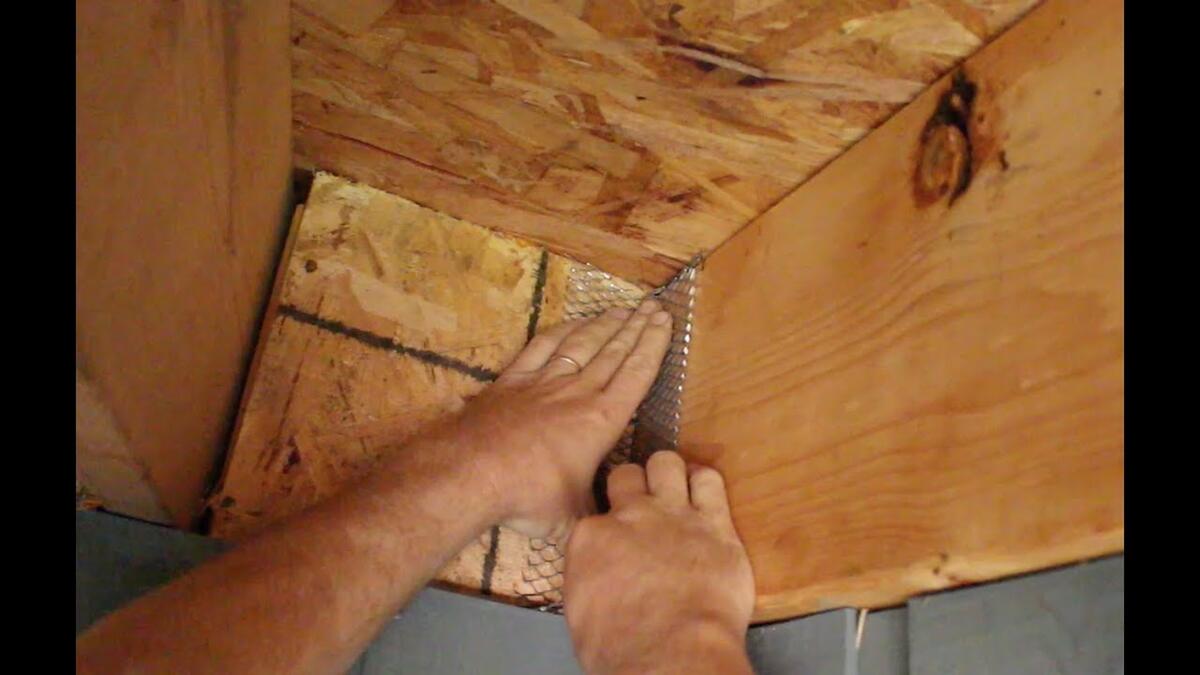
Video: How to keep mice out. Cheaper than hardware cloth, from Ontario Lakeside.
Common Questions in Friendswood
What callers from Friendswood ask before booking.
Getting rid of them
Will trimming the trees get rid of the rats on its own?
Trimming closes the road and leaves the door open. Cutting limbs back off the roof removes the easiest route, and it is part of most Friendswood jobs, but roof rats also climb brick, downspouts, vines and utility lines, and the rats already in the attic stay there whatever happens to the pecan. The sequence that ends it is limbs back, openings sealed in metal and hardware cloth, and snap traps on the runs inside for at least a week. Do the trimming alone and the noise usually comes back with the next cold front.
What is the cheapest way to handle rats in a Friendswood attic?
The cheapest job over a year is sealing plus trapping done once, and the cheapest first quote is bait, which costs more later. EPA notes most rodenticides are anticoagulants that take roughly four days to two weeks to kill, so the rat often dies in a wall of the house, and UF/IFAS points out that trapping avoids exactly that. Bait also leaves the opening open. Trapping alone with the roof unsealed becomes a repeat visit every month. One sealing visit and a week of traps is the version that stops.
Friendswood houses and contractors
My house flooded in Harvey and was rebuilt. Is it more at risk now?
The rebuild itself is usually fine; the openings that matter are above the flood line. A house gutted to the studs and rebuilt got new drywall, new floors and often new cabinets, but the roof, the vents, the soffit line and the attic were rarely part of the work, and those are where rats enter. What Harvey changed was the pressure outside: the creek-bottom population moved uphill with the water and much of it stayed in the neighborhood. The post-storm inspection was written for that house, and it is free.
How do I check a rodent contractor's license in Friendswood?
Ask for the TPCL number and look it up with the state. Friendswood lies in Galveston and Harris counties and Texas licensing is the same in both: controlling rats or mice for pay requires a business license from the Texas Department of Agriculture's Structural Pest Control Service and a certified applicator, and the pest control category names rats and mice. The number is displayed on the vehicle. The exemption Texas added in 2009 covers live trapping without bait and nothing more; bait means a licensed applicator. Every contractor we route holds the TDA license the job calls for, and TDA's own rodent flyer for homeowners recommends checking before you sign.
Still have a question? Call (713) 804-8785 and ask.
Nearby Areas We Serve
The same contractors cover the towns around Friendswood, and the service area takes in Galveston and Harris counties along with the rest of the Houston metro.