Rodent Removal in Katy, TX
Katy is a city of brick-veneer slab homes built on rice prairie after Interstate 10 opened, and rats reach those attics through rooflines and weep gaps. The free inspection finds the openings and gets the sealing and trapping moving.
- Free inspection, itemized quote
- Phone answered 24 hours a day
- TDA-licensed contractors on every job
Free Inspection in Katy
The free inspection on a Katy house covers the roofline, the brick-to-soffit joint, the weep gaps along the bottom course of brick, the garage corners, every utility penetration and the attic itself, and it ends with a written list of what was found. Katy sits about 29 miles west of downtown Houston along Interstate 10, where Harris, Fort Bend and Waller counties meet, and the city limits and the wider Katy area both sit inside the service area. Every contractor we route holds the license the Texas Department of Agriculture requires for rodent work, and the inspection carries no charge whether or not the work goes ahead.
Someone answers (713) 804-8785 24 hours a day. If the scratching started last week and you have stopped sleeping through the night, that is reason enough to call. Book a free inspection through the contact page or by phone and we will get the response moving.
Katy houses are slab-built, so rats come in high
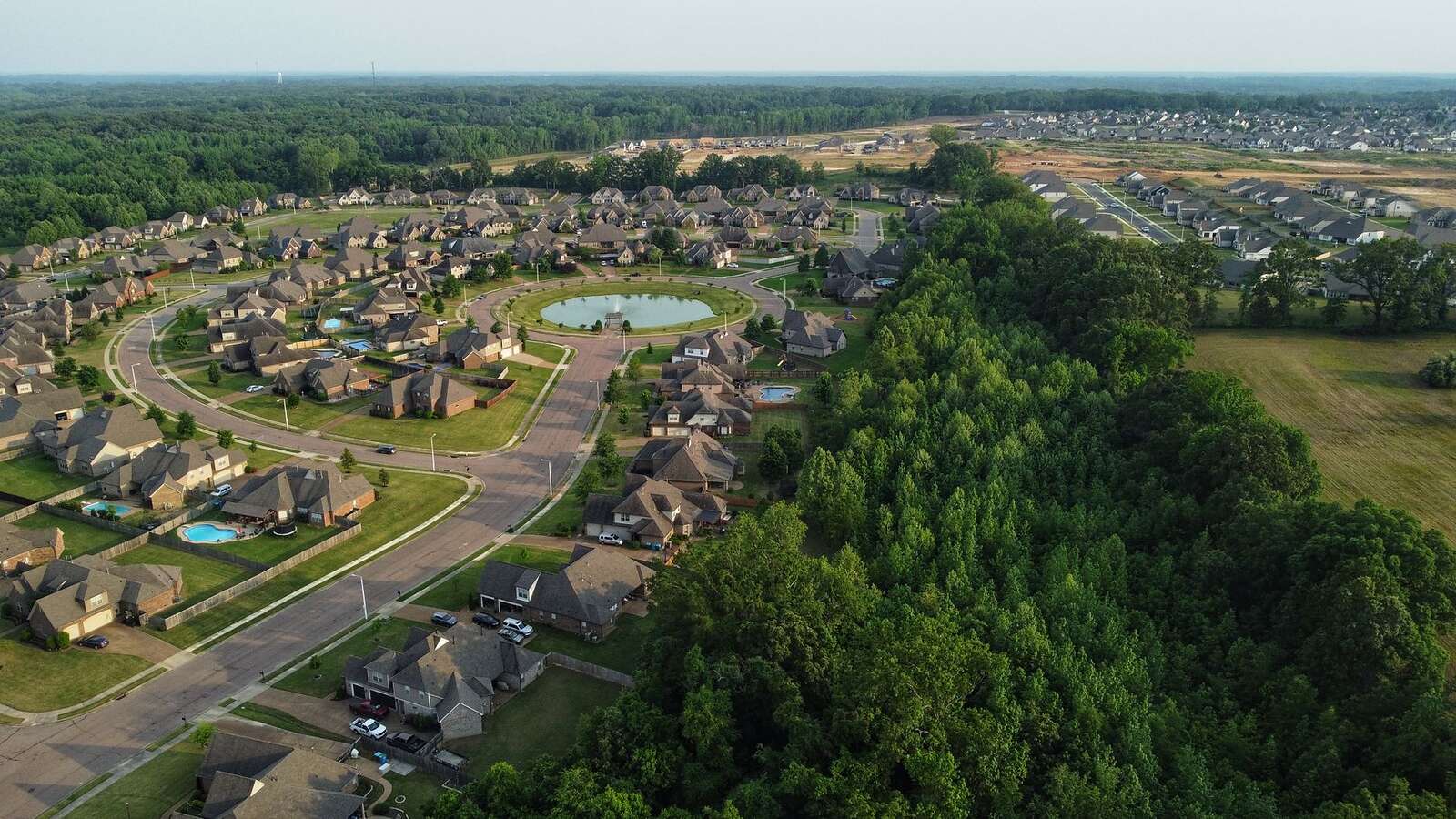
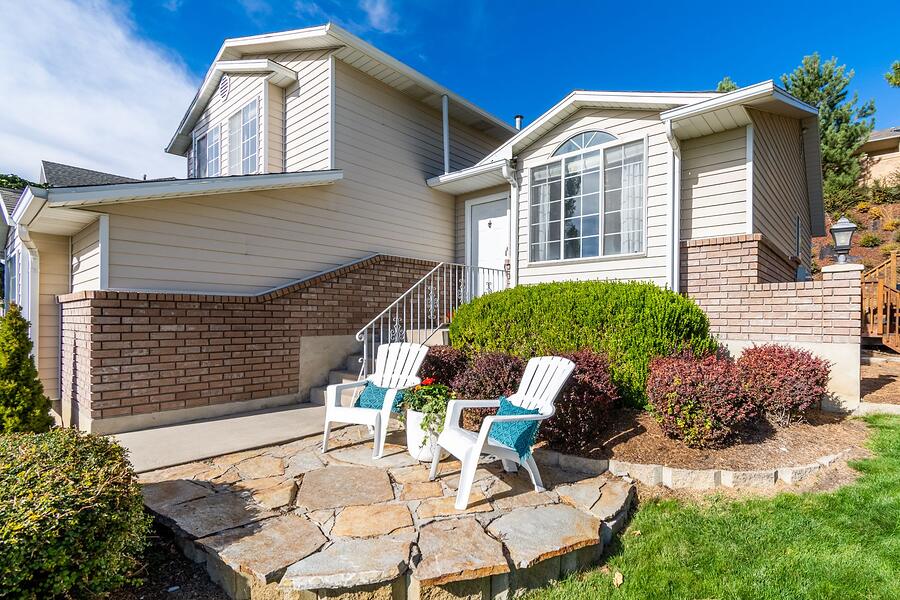
Nearly every house in Katy sits on a concrete slab with a brick veneer and a vented attic, which means rodents enter at the roofline and the wall skin instead of a crawl space. Katy was a rice and railroad town on the Missouri-Kansas-Texas line until Interstate 10 opened in 1966 and the subdivisions followed; Cinco Ranch, Grand Lakes and the neighborhoods around them were built from the late twentieth century on, and they share the same construction. Brick veneer hangs on the sheathing with a gap behind it, and the weep holes along the bottom course plus the joint where the soffit meets the top of the brick are the openings a roof rat uses. A quarter inch is the rat-proofing standard in University of Florida extension guidance, and a weep gap is wider than that by design.
Above the brick, the composition shingle roofs carry soffit vents, ridge vents and the mushroom or turbine vents that keep a Katy attic from cooking in August. Sun and heat crack the rubber pipe boots and plastic vent bases within a few years. The old core of Katy near the historic town square and the MKT depot is different: smaller, older houses with mature trees close to the eaves, where limbs give roof rats a direct path onto the shingles. The rodent exclusion page explains why a suburban slab home gets roofline and weep-gap sealing where an older inner-loop house gets crawl-space work.
Barker Reservoir, Harvey and what floods do to rodents
Parts of Katy sit inside the flood pool of Barker Reservoir, and after Hurricane Harvey in 2017 water from the pooled reservoir entered thousands of homes in Cinco Ranch, Kelliwood and Canyon Gate, as the Houston Chronicle and local television reported at the time. The City of Katy counted close to 14,000 FEMA claims. Water like that pushes rats and mice out of burrows, storm drains and ditch banks and into the nearest dry structure, which in a flooded subdivision is the garage and the attic of a house whose ground floor is drying out.
The Centers for Disease Control links rises in leptospirosis to hurricanes and floods, names rodents among the animals that carry it, and lists rodent control among its recommended steps after a flood. Hurricane Beryl in July 2024 was a wind event for Katy, and wind lifts soffit panels and vent caps, which opens the roofline the same way. The post-storm rodent inspection exists for a house that has been through either.
Cane Island Creek, the Katy Prairie and the cooler months
Katy was built on the Katy Prairie, in the floodplain of Buffalo Bayou, with Cane Island Creek running through the city, and open ground like that feeds a rodent population that has nowhere to go in a cold snap except indoors. The prairie was tallgrass and wetland before it went to rice in the twentieth century and then to subdivisions, and the drainage ditches, retention ponds and greenbelts that thread through every Katy neighborhood are the harborage that survived. Norway rats burrow along those banks. Deer and field mice show up in garages and attics when night temperatures drop in October through December.
Rats in the Houston area breed all year, so the winter lull that homeowners from colder states expect never arrives; what changes in the fall is that rats commit to nesting inside. A call in October when the first sound comes from the ceiling is a shorter job than a call in January. The mouse removal page covers the smaller species, and the rat removal page covers the trapping and sealing sequence for roof rats and Norway rats.
What We Handle in Katy
Rodent work in Katy is mostly roofline and weep-gap exclusion on brick slab homes, with trapping alongside and attic cleanup where the nesting has gone on for a season. The services below are the ones Katy calls turn into.
- Rat removal: roof rats in the attics of two-story Cinco Ranch and Grand Lakes homes, trapped on the runs and sealed out at the roofline
- Mouse removal: house mice and field mice that come in from the prairie edge and the greenbelts once the nights cool
- Rodent exclusion: hardware cloth and sheet metal at the soffit-to-brick joint, weep gaps, vent bases and garage corners
- Rodent inspection: the free walk of the roofline, brick skin and attic that produces the itemized quote
- Attic cleanup: contaminated blown insulation removed and replaced in a Katy attic where humidity keeps it from drying
- Post-storm rodent inspection: the roofline and garage check after reservoir flooding or a wind event like Beryl
- Rodent clearance letters: a written statement of findings for a sale or closing in a Katy subdivision
A Typical Katy Job
The situation: A couple in a two-story brick home in a Katy subdivision near the reservoir has heard running above the upstairs bedrooms every night since the first cool front. The ground floor took water during Harvey and was rebuilt, and they assumed the new drywall and sealed baseboards meant the house was tight. The husband has been sleeping in the downstairs study to get away from the noise.
What gets done: Whoever attends walks the roofline from a ladder and finds a cracked rubber boot on a plumbing vent, a turbine vent with the base seal split by sun, and the soffit-to-brick joint open along the rear elevation where the veneer stops short of the fascia. Fresh droppings run along the top plate of the wall below the turbine vent. The vent boot and the turbine base get replaced and screened, the soffit joint is closed with galvanized hardware cloth screwed to the framing, and snap traps go on the dropping run the same afternoon. They stay a week, because roof rats avoid new objects for the first several nights according to extension guidance.
How it turns out: The traps take three adults over the first several nights and then go quiet. A return visit finds no new droppings and no gnawing at the closures, and the couple gets a written list of the three openings with the material used at each. The study goes back to being a study.
What This Costs in Katy
A rat job in the Houston area, which includes Katy, averages about $831 in Angi's Houston cost data, with most homeowners paying $381 to $1,370, and the figures below are typical-job bands that the free inspection turns into an itemized quote for your house. National ranges from HomeGuide's 2026 survey sit alongside for comparison.
| Line item | Houston (Angi) | National (HomeGuide 2026) |
|---|---|---|
| Inspection | Free here ($100 to $200 elsewhere) | $0 to $175 |
| Trapping and removal | Average about $831; most jobs $381 to $1,370 | $250 to $1,200 |
| Follow-up visits | $50 to $150 each | Included in the job band |
| Exclusion sealing | $430 to $1,300 | $500 to $2,500 full home |
| Attic cleanup and decontamination | Confirmed at inspection | $600 to $2,500 |
| Insulation removal and replacement | Confirmed at inspection | $2.50 to $5.50 per sq ft |
| Dead rodent removal | Confirmed at inspection | $150 to $500 |
What moves a Katy quote inside the band is the size of the roofline and the number of openings on it. A one-story brick home with a cracked vent boot and one open soffit joint sits at the low end; a two-story home with a long soffit-to-brick gap on every elevation, several vent bases and a garage that needs a new door seal sits higher. Attic cleanup is a separate line and only appears when the inspection finds soiled insulation. Ask for each item on its own line, and ask whether a return visit is included in the number.
Keeping rodents out once they are gone
Three approaches, and why sealing is the one that lasts.
Video: 3 Ways To Get Rid Of Mice or Rats, And Keep Them Out!, from Everything Homestead.
Common Questions in Katy
What callers from Katy ask before booking.
Getting rid of them
How long does it usually take to get rid of rats in a Katy house?
Most Katy jobs run one to three weeks from the first visit to the all-clear, with sealing on the first day and traps left in place for at least a week afterward. HomeGuide puts trapping a small number of animals at two to three days and a heavy infestation at one to two months, and the difference in Katy is almost always whether the roofline was sealed at the start. Trapping with the soffit joint still open replaces each rat with the next one from the greenbelt. The return visit that confirms no fresh droppings is what ends the job.
Is it safe to do exclusion before trapping?
Sealing first is safe when traps go in the attic the same day the roofline is closed, so that anything inside comes out in a trap instead of chewing a new route down into a wall. What causes trouble is sealing a house and leaving. The sequence used on the jobs we route in Katy is to close every opening except one known main entry, set snap traps on the dropping runs, and finish the last closure at the return visit once the attic has gone quiet. Poison is a poor substitute for either half, because a rat that dies in a wall cavity of a slab home is hard to reach.
Katy houses and contractors
My house is only a few years old. How are rats getting into a new Katy attic?
New brick-veneer construction ships with the same openings an older house has: weep gaps along the bottom course, a soffit-to-brick joint that is rarely closed, and vent bases and pipe boots that Houston sun starts to crack after a few summers. A roof rat needs a half-inch gap and a mouse a quarter inch, so the age of the house matters less than whether those joints were ever screened. The free inspection checks each one and the exclusion quote lists them with the material to close them.
Who is licensed to do rodent work in Katy, and how do I check?
Any business that controls rats or mice for pay in Texas needs a business license from the Texas Department of Agriculture's Structural Pest Control Service and a certified applicator, whether the house is in the Harris, Fort Bend or Waller county part of Katy. The license number is displayed on the vehicle as a TPCL number. Since 2009 a live-trap-only visit has been exempt from the license, while any bait placement still needs the license. Every contractor we route holds the TDA license the job needs; ask for the TPCL number and confirm it with the Department before signing anything, which is what TDA's own consumer flyer tells homeowners to do.
Still have a question? Call (713) 804-8785 and ask.
Nearby Areas We Serve
The same contractors cover the towns around Katy, and the service area takes in Harris, Fort Bend and Waller counties along with the rest of the Houston metro.